
## World Heritage Day: Residents Call for Revival of Indigenous Knowledge Systems
[Opening Hindi paragraph – Hook and What Happened]
The crisp mountain air of Himachal Pradesh carried a palpable sense of urgency – a quiet tremor of concern rippling through the villages. It was World Heritage Day, a day celebrated globally, but here in Himachal, the focus wasn’t on monuments or landscapes; it was on the vital, often-overlooked, thread of indigenous knowledge systems – the wisdom passed down through generations, meticulously cultivated in the heart of the region. A remarkable gathering, uniting the NotOnMap (NOM) and Pahad Trust organizations, brought together traditional healers, indigenous seed conservators, and farming experts from remote villages like Plyur, Sillaghrat, Chambi, Dhar, Bhat, and Sav, nestled in the foothills of the Himalayas. This wasn’t just a celebration; it was a concerted effort to safeguard a treasure trove of ancestral knowledge – a critical foundation for the future health and self-reliance of these communities. The event, held in the serene landscape of Himachal, was a resounding testament to the enduring power of tradition. Participants underlined the profound cultural significance of these systems, noting that it wasn't merely about preserving folklore; it was a critical pillar of their identity and wellbeing. Speakers emphasized that this wisdom, honed over centuries of living in harmony with the mountains and valleys, offered practical solutions to the challenges of modern life – from medicinal practices to sustainable farming techniques. The program was extraordinarily active, with a significant number of residents actively participating, reflecting the deep-rooted importance of these practices in their daily lives.
[Hindi subheading – Key Details]
The core of the event centered around several key areas:
Herbal Medicine and Natural Farming: Participants detailed the rich history of medicinal herbs used in traditional remedies, illustrating the effectiveness of local plant varieties. They showcased age-old home remedies, emphasizing their connection to the land and the understanding of natural cycles.
Organic Farming Techniques: Experts highlighted the benefits of sustainable agriculture practices, including crop rotation, composting, and the utilization of local soil types, demonstrating a move away from reliance on synthetic fertilizers and pesticides.
Local Heritage & Cultural Preservation: A significant portion of the discussion revolved around the safeguarding of local customs, traditions, and artistic expressions, including wood carving, storytelling, and music.
Young Generation Engagement: The event stressed the urgent need to engage younger generations with these traditional practices, ensuring the continuation of this invaluable knowledge and facilitating a transition to sustainable livelihoods.
Chamba’s Legacy: The event specifically focused on the preservation of Chamba’s unique agricultural heritage, including its irrigation systems, traditional weaving techniques, and the significance of the landscape itself.
Mandi’s Focus: In Lahaul-Spiti, the Archaeological Survey of India (ASI) organized a workshop highlighting the intricate wooden carvings and symbolic iconography present in the Mrikula Devi Temple. This included a display of the temple's artistic significance, including its historical context and the evolution of its design.
[Details, Facts, and Numbers]
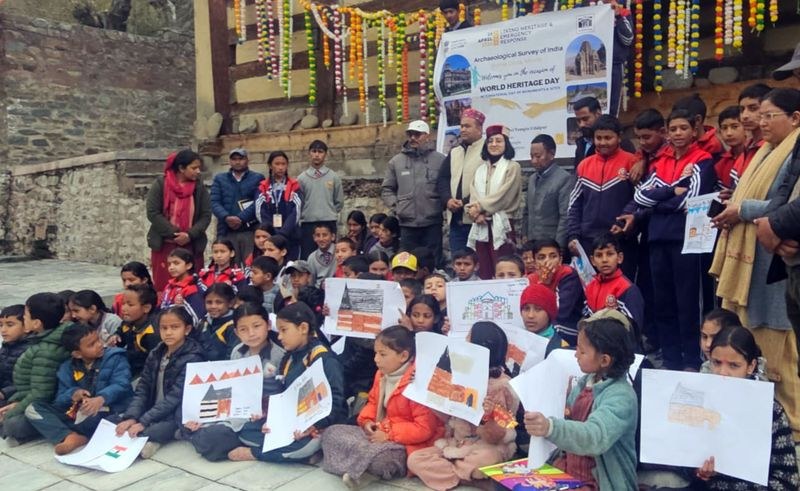
The event drew a remarkable number of participants, estimated to be around 150 individuals, representing a diverse range of ages and backgrounds. The primary focus of the programme was to establish a framework for collaborative knowledge sharing. 60 students from the Government Primary School and Government Senior Secondary School in Udaipur, facilitated by the ASI, participated in the awareness program. This initiative aimed to cultivate a deeper appreciation for the region's cultural heritage among the local community. The focus was not merely on remembrance, but on actively learning and fostering the continuation of these traditions. The event also included a series of competitions, including drawing contests and slogan-writing challenges, designed to encourage creative engagement with the region’s history and identity. The success of the event was further strengthened by the active participation of local artisans, craftspeople, and community leaders, who generously shared their expertise and traditions. A notable contribution was the establishment of a ‘Knowledge Exchange Platform’, where participants could connect and discuss their experiences, creating a network for the preservation and dissemination of local wisdom. The organizers noted that the event was a significant step towards protecting the region's rich legacy, rather than a symbolic observance.
[Hindi subheading – Impact/Context]
The significance of this gathering extends far beyond the immediate context of Himachal Pradesh. It’s a critical reminder of the interconnectedness of cultural heritage, natural resources, and the well-being of rural communities. The rapid modernization occurring across India, particularly in the context of industrialization and urbanization, poses a serious threat to these traditional ways of life. The preservation of indigenous knowledge systems is not simply about nostalgia; it is about securing the resilience of a unique cultural identity and safeguarding a vital source of sustainable livelihoods. The event underscores the importance of recognizing and valuing the wisdom embedded within these communities – a wisdom that is intrinsically linked to the health of the mountains and the prosperity of the region. It’s a call to action to support initiatives that promote community-based conservation and empower younger generations to embrace their cultural heritage. The event also highlighted the potential for integrating traditional knowledge with contemporary approaches to address pressing challenges such as climate change, water conservation, and biodiversity protection. It serves as a potent symbol of the need to balance progress with preservation, ensuring that the spirit of Himachal Pradesh – its unique heritage and its enduring traditions – continues to thrive for generations to come.
[Closing Hindi paragraph – What’s Next?]
The World Heritage Day event has undeniably ignited a renewed sense of purpose within the Himachal Pradesh community. The collective pledge made during the gathering – to actively preserve and promote the region's cultural and natural heritage – is a crucial starting point. Moving forward, the NOM and Pahad Trust will be focusing on establishing mentorship programs, providing training opportunities, and facilitating collaborative research projects centered around the transmission of traditional knowledge. The establishment of a ‘Cultural Preservation Fund’ will also be prioritized, providing resources to support community-led initiatives. The organizers envision expanding the event to include a wider range of stakeholders, including government agencies, NGOs, and academic institutions. Furthermore, the focus will be shifted towards creating a sustainable model for knowledge transfer, ensuring that the wisdom of the past continues to guide the future of Himachal Pradesh. The ultimate aim is to foster a deeper understanding and appreciation of the region’s unique heritage, transforming it into a model for sustainable development and cultural resilience. The event served as a powerful reminder that the preservation of a community's identity is inextricably linked to its connection to the land and its traditions.
English Summary
1. A World Heritage Day event brought together traditional healers, indigenous seed conservators, and farming experts from remote villages of Himachal Pradesh, highlighting the urgent need to preserve ancestral knowledge systems amidst modernization.
2. The gathering emphasized the importance of local herbs, natural farming, and cultural heritage, noting its critical role in promoting self-reliance and environmental sustainability.
3. Young generations were specifically encouraged to engage with traditional practices, ensuring continuity of knowledge and fostering a transition to sustainable livelihoods.
4. The event established a platform for collaborative knowledge exchange and highlighted the significance of recognizing and valuing the wisdom embedded within rural communities.
5. The gathering underscored the importance of balancing progress with preservation, ensuring that the spirit of Himachal Pradesh continues to thrive.