
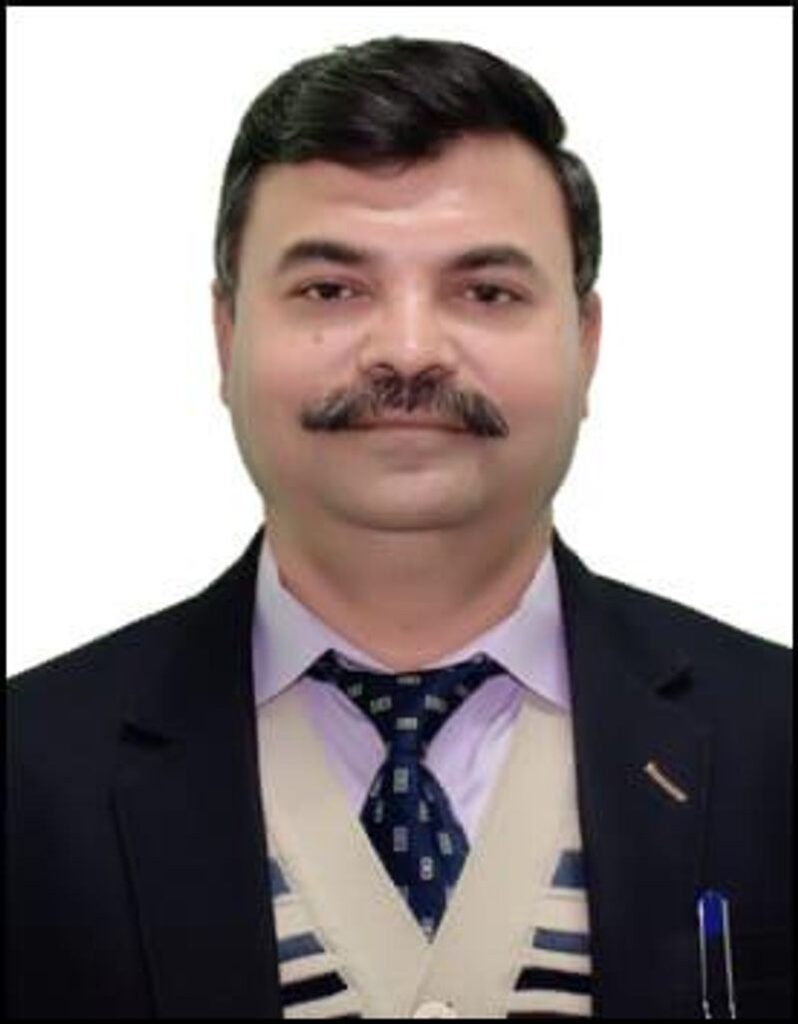
The clinic caters to patients from various districts such as Kangra, Chamba, Hamirpur, Mandi, Una, Kullu and Bilaspur and functions as a referral centre, reducing the need for families to travel outside the state for treatment. Newly diagnosed children are admitted for initial stabilisation, where they receive round-the-clock care from trained doctors, nurses and diabetes educators.
A key strength of the model is its structured educational programme. Families undergo repeated training sessions covering blood glucose monitoring, insulin dose adjustment, dietary management and an early recognition of complications such as hypoglycaemia and Diabetic ketoacidosis (DKA). This hands-on approach ensures that caregivers can confidently manage the condition at home while children are encouraged to maintain daily health logs to improve long-term glycaemic control.
The clinic also ensures the continuity of care through regular follow-ups, refresher sessions and personalised counselling, addressing both medical and psychological aspects of the disease. Detailed patient records enable timely adjustments in the treatment and early detection of complications, says Dr Gupta.
Financial accessibility remains central to the model. The clinic provides free baseline insulin and works to ensure a steady supply of glucose monitoring strips. Insulin pumps, costing up to Rs 3 lakh, are being provided free of cost to eligible children under government-supported schemes, including those backed by the National Rural Health Mission. These devices significantly reduce dependence on multiple daily injections and improve the quality of life.
Dr Gupta says that efforts are also underway to tackle delayed diagnosis through awareness campaigns targeting schools, parents and local healthcare providers. Given the geographical challenges of Himachal, families are trained in insulin storage and supported through telephonic guidance, he adds.
Since 2022, only three of the enrolled children have experienced a repeat episode of the DKA (Diabetic ketoacidosis), reflecting the success of this integrated approach.
The initiative has not only improved clinical outcomes but also brought a sense of confidence among families dealing with childhood diabetes. Parents, who once struggled with limited awareness and access to right treatment, are now better equipped to manage the condition, while children are able to lead more stable and active lives.
The Baisakhi Sale Plan offers an excellent value of 2 years of subscription + 6 months complimentary.
If you proceed with this purchase, your current monthly subscription plan will be immediately cancelled.
30?"green-strip-scroll":""}">n ${e.display_status||e.scheduleTime}n
30?"green-strip-scroll":""}">n ${e.display_status+", "+e.scheduleTime}n
n n n n n n n n n n n n n ',e.addEventListener("click",(function(){gtag("event","go_premium_banner_click",{cta_text:"Go Premium Banner"})})),A.appendChild(e),C.insertAdjacentElement("afterend",A)}})):setTimeout(i,300)}function A(C){C.matches?setTimeout(i,500):document.querySelectorAll(".goPremiumWrapper").forEach((C=>C.remove()))}A(C),C.addEventListener("change",A)}()var isLiveBlog=!1,slug="tanda-hospital-sets-benchmark-in-managing-childhood-diabetes",post_title="Tanda hospital sets benchmark in managing childhood diabetes",enable_highlighter=!1,pwa_infinitescroll_enabled=!1,analytics_id="",app_name="The Tribune",gallery="",widgets_inbtw=!0,widgets_related=!0,widgets_trnding=!1,widgets_wp_webstories=!1,postId="2539068",post_image_medium="https://www.tribuneindia.com/sortd-service/imaginary/v22-01/jpg/medium/high?url=dGhldHJpYnVuZS1zb3J0ZC1wcm8tcHJvZC1zb3J0ZC9tZWRpYWRlNGIyZDQwLTNlNWYtMTFmMS1hMjhiLThiZWUzODg3Y2VjMC5qcGc=",audio_content=" The Paediatric Endocrine Clinic at Dr Rajendra Prasad Government Medical College at Tanda in Kangra district is emerging as a key centre for the treatment and management of Type 1 Diabetes (T1D) in children in Himachal Pradesh. Established by Dr Atul Gupta, Paediatric Endocrinologist in the Department of Paediatrics, in 2022, the clinic is one-of-a-kind dedicated facility in the state and is at present providing specialised care to over 140 children. The clinic caters to patients from various districts such as Kangra, Chamba, Hamirpur, Mandi, Una, Kullu and Bilaspur and functions as a referral centre, reducing the need for families to travel outside the state for treatment. Newly diagnosed children are admitted for initial stabilisation, where they receive round-the-clock care from trained doctors, nurses and diabetes educators. A key strength of the model is its structured educational programme. Families undergo repeated training sessions covering blood glucose monitoring, insulin dose adjustment, dietary management and an early recognition of complications such as hypoglycaemia and Diabetic ketoacidosis (DKA). This hands-on approach ensures that caregivers can confidently manage the condition at home while children are encouraged to maintain daily health logs to improve long-term glycaemic control. The clinic also ensures the continuity of care through regular follow-ups, refresher sessions and personalised counselling, addressing both medical and psychological aspects of the disease. Detailed patient records enable timely adjustments in the treatment and early detection of complications, says Dr Gupta. Financial accessibility remains central to the model. The clinic provides free baseline insulin and works to ensure a steady supply of glucose monitoring strips. Insulin pumps, costing up to Rs 3 lakh, are being provided free of cost to eligible children under government-supported schemes, including those backed by the National Rural Health Mission. These devices significantly reduce dependence on multiple daily injections and improve the quality of life. Dr Gupta says that efforts are also underway to tackle delayed diagnosis through awareness campaigns targeting schools, parents and local healthcare providers. Given the geographical challenges of Himachal, families are trained in insulin storage and supported through telephonic guidance, he adds. Since 2022, only three of the enrolled children have experienced a repeat episode of the DKA (Diabetic ketoacidosis), reflecting the success of this integrated approach. The initiative has not only improved clinical outcomes but also brought a sense of confidence among families dealing with childhood diabetes. Parents, who once struggled with limited awareness and access to right treatment, are now better equipped to manage the condition, while children are able to lead more stable and active lives. ",article_price=0,theme_color="#0d1c3d",is_article_paid=!1,is_paid_article_enabled=!1;if(widgets_inbtw)var inbtw_count=1,category_id=48,inbtw_label="Read More",inbtw_color="",inbtw_layout="inBtwPostsCarousal";if(widgets_trnding)var trnd_layout="",trnd_cardName="",trnd_count=5;if(widgets_wp_webstories)var wp_ws_layout="",wp_ws_cardName="",wp_ws_text_color="",wp_ws_background="",wp_ws_custom_css="";if(widgets_trnding){theme_color="#0d1c3d";var article_color="",status=!0;function getTrendingArticles(e,t,a,i=!1){a||(a="Trending Now");let n="";n+=`${a}`,n+='';let s=e.length>t?t:e.length;for(let t=0;t