
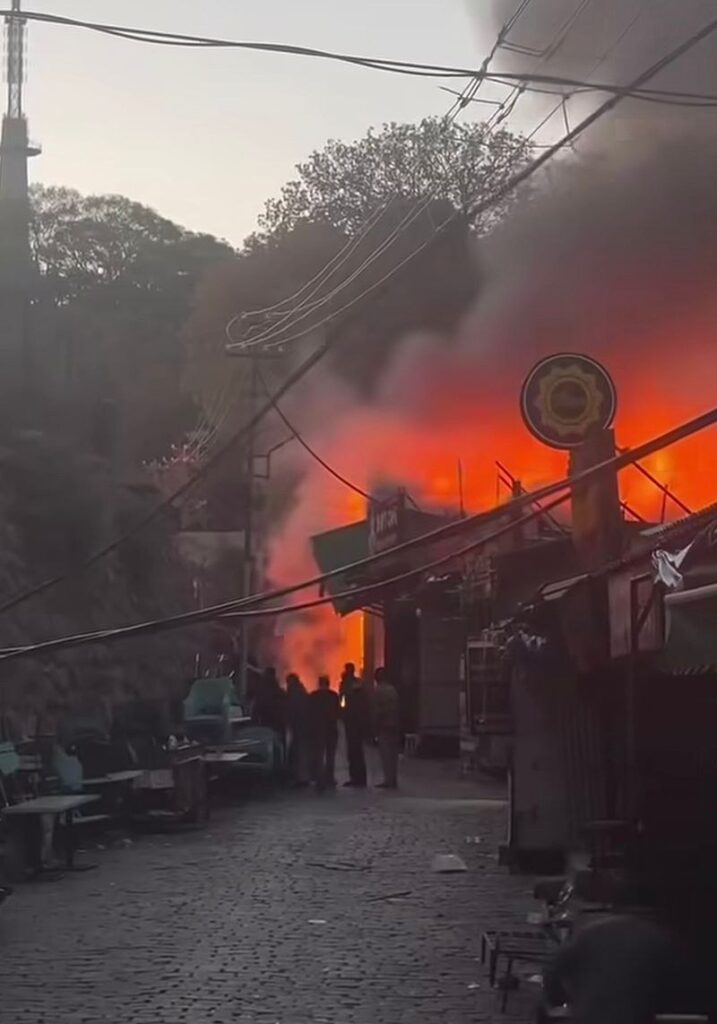
Despite recognition of systemic gaps, implementation has lagged. A key proposal to establish a dedicated water supply line for fire hydrants, approved in November 2023 by a state-level project appraisal committee, has failed to move beyond paperwork. The Rs 2.84-crore project has stalled due to lack of funds, with even the preparation of its detailed project report (DPR) yet to begin.
The plan envisaged laying a 29-km pipeline across 22 locations spanning all 17 municipal wards. Currently, hydrants are connected to the main water distribution system, a setup that compromises fire response. During emergencies, water pressure drops significantly, hampering firefighting efforts while simultaneously disrupting regular supply to households and commercial establishments.
Officials have repeatedly flagged the issue. Past incidents have shown that inadequate water availability from hydrants has delayed containment efforts, often worsening the damage. A comprehensive assessment by Commandant Home Guards, Solan, Santosh Sharma further exposed structural deficiencies. His report noted that 26 existing fire hydrants in the city do not meet the latest IS 908 standards and are effectively outdated, limiting their operational efficiency.
Recent fire incidents in Arki and Kasauli have brought these shortcomings into sharper focus. In both towns, the lack of adequate hydrant infrastructure emerged as a critical hurdle in managing the fires effectively. These incidents, which claimed 10 lives and caused losses worth crores, have raised serious questions about preparedness and accountability.
In March 2025, a proposal seeking funds from the State Disaster Mitigation Fund to overhaul Solan’s fire-fighting system was submitted. The plan also included identifying 14 new sites for installing hydrants based on growing urban needs. However, there has been little movement since.
Expressing concern over the inaction, Sharma pointed out that no meaningful lessons have been drawn from recent tragedies. He criticised the “casual approach” of authorities, noting that accountability remains absent despite repeated warnings and detailed proposals.
With risks mounting and infrastructure lagging, Solan’s fire safety system stands at a critical juncture, caught between urgent need and administrative inertia.
The Baisakhi Sale Plan offers an excellent value of 2 years of subscription + 6 months complimentary.
If you proceed with this purchase, your current monthly subscription plan will be immediately cancelled.
30?"green-strip-scroll":""}">n ${e.display_status||e.scheduleTime}n
30?"green-strip-scroll":""}">n ${e.display_status+", "+e.scheduleTime}n