
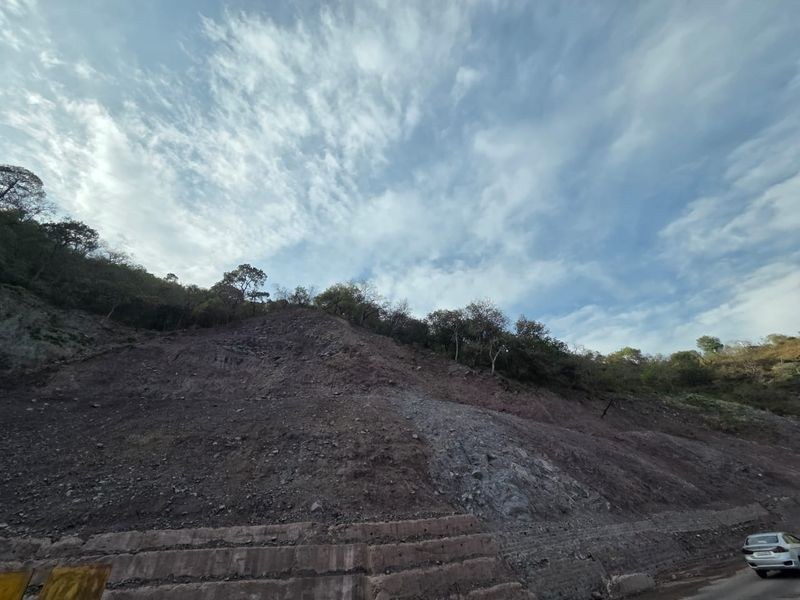
Although the highway was widened to four lanes in April 2021, recurring monsoon damage exposed the fragility of the cut slopes. Earlier stabilisation efforts had been limited in scope, addressing only 1.5 to 3 metres of slope width, despite vertical excavations ranging between 20 and 30 metres. This mismatch left vast portions of exposed slopes vulnerable to water seepage and erosion, triggering frequent landslides during heavy rainfall.
Recognising the urgency, authorities commissioned a detailed project report following an extensive study involving geotechnical experts. The assessment identified 176 defects across a 6,485-metre stretch, particularly between Parwanoo and Dharampur, where torrential rains had repeatedly destabilised the terrain. The slopes in this zone vary sharply, with angles ranging from 50 to 85 degrees and heights extending from 10 to 100 metres, making them highly susceptible to failure.
According to NHAI Project Director Anand Dahiya, most of the work is in its final stages. “Barring a few locations like Sanwara, where private land issues caused delays and ongoing work at Chakki Ka Mor, the project is nearing completion and will be wrapped up before the rains,” he said. Critical sites near Kairibungalow and Waknaghat are also in advanced stages of stabilisation.
The project marks a significant technological upgrade in slope protection strategies. Engineers have deployed a combination of advanced systems, including geo-synthetic wire mesh, hydro mulching and high-capacity soil nailing. One of the key innovations is the steel grid system designed for rockfall mitigation and slope consolidation. This involves the installation of wire mesh reinforced with anchor plates, U-bolts and specialised connectors to secure loose rock surfaces.
Additionally, rhomboidal wire rope panels are being used in high-risk zones where enhanced strength and puncture resistance are essential. Mono-oriented reinforced mesh and self-drilling anchors have further strengthened the slopes, ensuring deeper anchorage and long-term stability.
Engineers from the NHAI, along with contractors and consultants, recently demonstrated these technologies on-site, highlighting their effectiveness in preventing erosion and controlling rockfall. With most of the stabilisation measures in place, the project is expected to substantially reduce disruptions caused by landslides, ensuring smoother and safer connectivity on one of Himachal’s busiest highways.
The Baisakhi Sale Plan offers an excellent value of 2 years of subscription + 6 months complimentary.
If you proceed with this purchase, your current monthly subscription plan will be immediately cancelled.
30?"green-strip-scroll":""}">n ${e.display_status||e.scheduleTime}n
30?"green-strip-scroll":""}">n ${e.display_status+", "+e.scheduleTime}n