
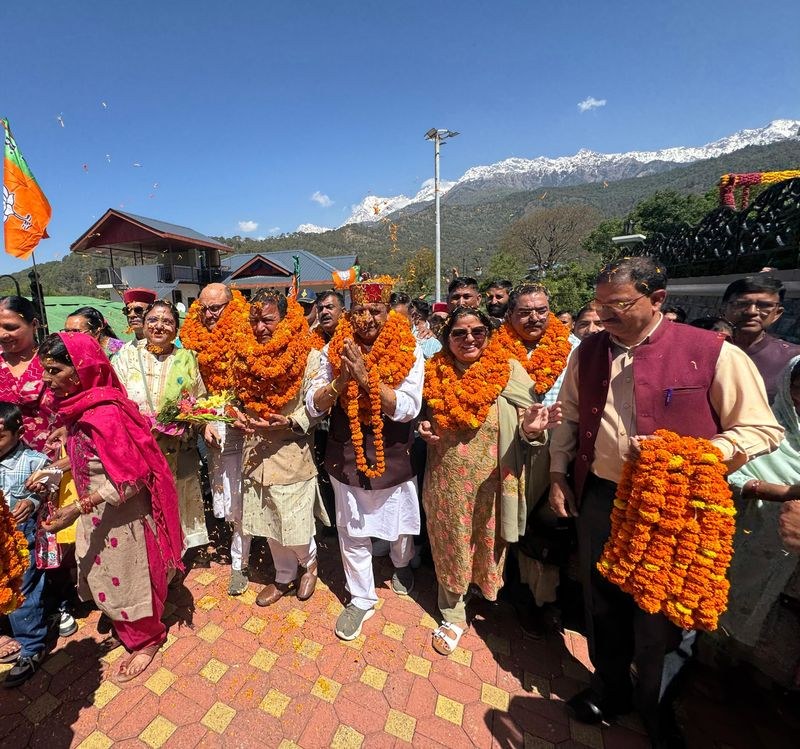
## Over 400 Families Switch From Congress to BJP in Palampur
What happened?
The story of Palampur is one of significant shifts in political allegiance. For decades, the region had been firmly rooted in the Indian National Congress. However, in recent years, a remarkable trend has emerged: a substantial number of families – over 427 – have switched their allegiance to the Bharatiya Janata Party (BJP). This isn’t just a small change; it’s a major demographic shift that’s reshaping the political landscape of the district. The shift began in 2019, and continues to intensify. This change is driven by dissatisfaction with the policies and programs of the Sukhu government, particularly concerning economic development and infrastructure projects. Bindal, the state BJP spokesperson, highlighted the party’s governance model, emphasizing its focus on delivering tangible results for the people. He also emphasized the ‘Mission 2027’ campaign, a crucial initiative aimed at strengthening the party’s organizational structure at the booth level. Bindal also touched upon his own political career, which spans decades, including his time as a municipal councillor, municipal chairman, MLA, minister, and Speaker of the Assembly. Bindal’s criticism of the Congress government’s mismanagement over the past three years has been a major catalyst for this change. He claims the state has suffered due to poor governance, and that the ruling party’s failure to deliver on promises has pushed many young people into disillusionment and discontent. The Baisakhi Sale Plan offers an excellent value of 2 years of subscription + 6 months complimentary. If you proceed with this purchase, your current monthly subscription plan will be immediately cancelled. 30?
Key Details
The Shift: From 2019 onwards, over 427 families in Palampur have officially joined the BJP. This is a substantial number compared to previous trends.
Bindal's Influence: State BJP spokesperson Trilok Kapoor played a pivotal role in this transformation. He emphasized the BJP’s governance model and the importance of ‘Mission 2027’ as a strategic campaign.
Booth-Level Organization: Bindal stressed the need for strengthening the party’s organizational structure at the booth level, a key element of the ‘Mission 2027’ strategy.
Political Career: Bindal's extensive political career, spanning from 1971 to the present, offers a valuable perspective on the context of this shift. His experience as a municipal councillor, chairman, MLA, minister, and Speaker of the Assembly contributes significantly to understanding the motivations behind this change.
Economic Concerns: Bindal expressed concern over the state’s economic situation, citing mismanagement as a significant factor contributing to the discontent. He felt the state had been pushed into a financial crisis.
Youth Disillusionment: A significant number of young people in Palampur are disillusioned and increasingly taking to the streets, reflecting the broader sentiment of frustration with the government's policies.
Impact/Context
This shift has profound implications for the people of Palampur. It signifies a fundamental change in the political landscape, potentially altering the balance of power and influencing future electoral dynamics. The decision to embrace the BJP has resonated deeply within the community, offering a potential alternative to the existing political establishment. The shift represents a demographic and political realignment, impacting local economies, community dynamics, and the overall political stability of the district. The concern is that the youth, disillusioned with the Congress, are seeking a new direction, potentially leading to increased political participation and a shift in the electorate's preferences. The government needs to understand these sentiments and address them effectively to maintain social harmony and stability. It’s vital for the state to recognize this is a pivotal moment and proactively strategize to address the needs and aspirations of the people. Furthermore, the BJP's focus on ‘Mission 2027’ suggests a commitment to sustainable development and improved governance – a significant shift from the previous government's approach. The influx of new voters, particularly young voters, could also bolster the party's base and influence future policy decisions.
What’s next?
The long-term consequences of this political realignment remain to be seen. However, it’s clear that the shift represents a significant turning point in Palampur’s history. The government needs to actively engage with the community, address the concerns raised by young people, and demonstrate its commitment to the well-being of its citizens. The success of the BJP’s ‘Mission 2027’ campaign will be closely watched, and the overall political landscape of the region will be shaped by this dynamic shift. Understanding the motivations behind this change is crucial for the government to navigate the evolving political landscape effectively. The focus should be on fostering inclusivity and addressing the concerns of all stakeholders – ensuring a stable and prosperous future for the district.