
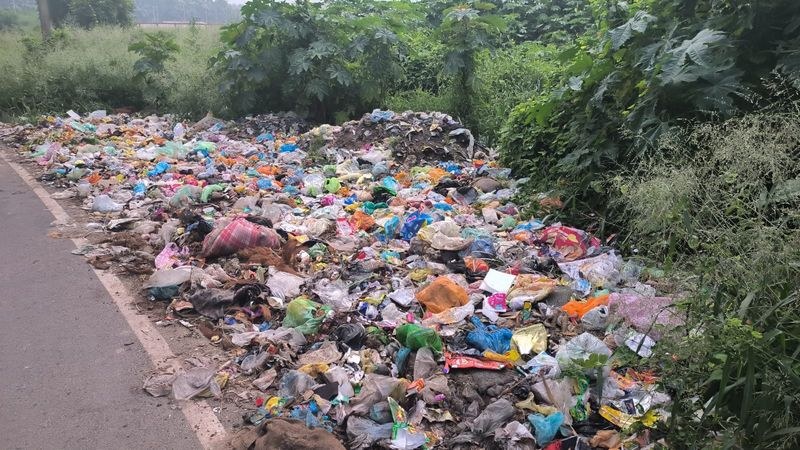
Information accessed under the Right to Information (RTI) Act by advocate and activist Kamal Anand shows that between April 2024 and March 2026, the HPSPCB collected Rs 11.79 crore as Environmental Compensation Cess (ECC) from civic bodies penalised for breaching environmental norms. The levy, rooted in the “Polluter Pays” principle, is intended to finance mitigation and restoration efforts. However, its actual deployment appears misaligned with that mandate.
Instead of channelling the funds into pollution abatement measures, the board parked at least Rs 3 crore in fixed deposits, generating Rs 36.58 lakh in interest. This approach has raised fundamental questions about institutional priorities, as the accrual of interest seems to have taken precedence over urgent environmental interventions.
More concerning is the lack of transparency in expenditure. RTI data indicates that details for Rs 4.75 crore remain unaccounted for, with no clear disclosure on how or where the funds were utilised. This opacity undermines both fiscal accountability and public trust, particularly given the ecological sensitivity of Himachal’s urban and peri-urban regions.
The violations themselves are far from minor. In Manali, the Municipal Council faced penalties totalling Rs 2.62 crore for repeated lapses in scientific waste management. Mandi was fined ?7.5 lakh for discharging untreated leachate into the Beas and adjoining areas for nearly three months. In Solan, the Municipal Corporation incurred a penalty of Rs 9.9 lakh over persistent issues such as leachate leakage, fly infestation, and failure to provide basic protective gear to sanitation workers.
Other local bodies, including Kullu (Rs 24 lakh) and Tahliwal (Rs 13 lakh), along with several Special Area Development Authorities and gram panchayats like Kasol, Keylong and Bharmour, were similarly penalized for systemic non-compliance.
These findings come at a time when the Union Government has notified the Solid Waste Management Rules, 2026, replacing the 2016 framework. Yet, compliance with even the earlier norms appears weak, pointing to structural deficiencies in enforcement and governance.
Kamal Anand has proposed a shift toward personal accountability, suggesting that environmental compensation be recovered from the salaries of responsible officials rather than the public exchequer. The argument is straightforward: financial liability at the individual level could drive faster compliance and deter habitual violations.
As stricter regulatory norms come into force, the central question is whether environmental compensation will serve its intended purpose, restoring degraded ecosystems, or continue to function as a passive revenue stream. For a state defined by its ecological fragility, the cost of inaction is likely to be far higher than the penalties collected.
The Baisakhi Sale Plan offers an excellent value of 2 years of subscription + 6 months complimentary.
If you proceed with this purchase, your current monthly subscription plan will be immediately cancelled.
30?"green-strip-scroll":""}">n ${e.display_status||e.scheduleTime}n
30?"green-strip-scroll":""}">n ${e.display_status+", "+e.scheduleTime}n