
Kullu Incident: IAF Rescue of Stranded British Paraglider – A Safety Challenge
[Opening paragraph in mixed Hindi-English — What happened, where, when?]
Kullu, Himachal Pradesh – A significant incident unfolded in Kullu, Himachal Pradesh, where a British paraglider, George Richmond, was rescued after a crash during a long-distance flight. The rescue operation, spearheaded by the Indian Air Force (IAF), demonstrates the critical importance of stringent safety protocols and meticulous planning within the region’s challenging mountainous terrain. The crash occurred near Deo Tibba, a remote area characterized by rugged landscapes and high altitude, necessitating a coordinated and persistent search and rescue effort.
Key Details
The incident occurred on October 26, 2024, when the paraglider, identified as George Richmond from the United Kingdom, was part of a group of five pilots undertaking a cross-country flight from Bir-Billing in Kangra district to the Deo Tibba area. According to officials, Richmond crashed in the vicinity of Deo Tibba during the flight. His fellow pilots immediately alerted the Manali administration about the accident, prompting a swift response from the district administration, fire brigade personnel, and rescue teams. The initial assessment revealed the severity of the crash and the need for immediate action.
Upon receiving the information, the Manali administration, fire brigade personnel, and rescue teams launched a coordinated search and rescue operation. The terrain presented significant challenges, including steep slopes, dense forests, and unpredictable weather conditions. Rescue teams, utilizing specialized equipment and trained personnel, traversed the mountainous region to reach the injured pilot. The operation was complicated by the remote location, challenging altitude, and difficult terrain. The team worked tirelessly, utilizing helicopters and other aerial assets, to locate and secure the injured pilot. The rescue effort was a considerable undertaking due to the difficult conditions.
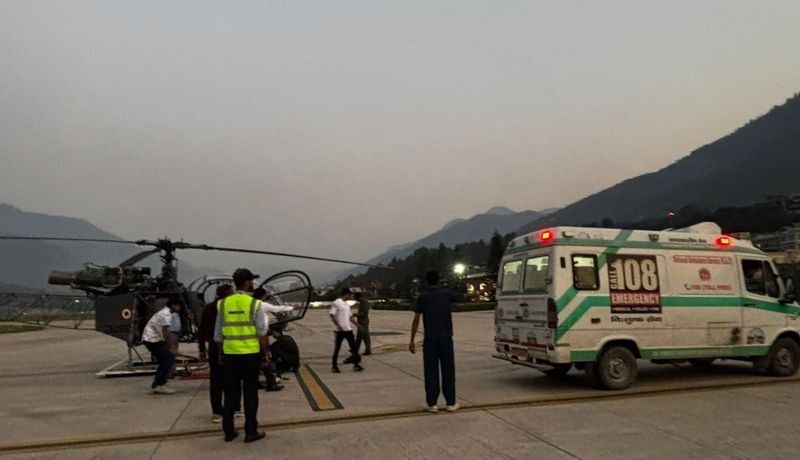
After several hours of meticulous searching, rescuers successfully evacuated Richmond from the accident site. He was first brought to a safer location on a stretcher before being airlifted by an IAF Cheetah helicopter. The helicopter transported him to Bhuntar airport, from where he was subsequently transferred to the Regional Hospital in Kullu for immediate medical care. Kullu Deputy Commissioner Anurag Chander Sharma stated that the injured British national was provided immediate medical care after being flown to Bhuntar. Considering the seriousness of his injuries, doctors referred him to the Postgraduate Institute of Medical Education and Research (PGIMER), Chandigarh, and he was subsequently shifted there by ambulance for advanced treatment.
The incident has once again highlighted the inherent risks associated with long-distance paragliding flights in the Himalayan region. Similar accidents involving foreign pilots have been reported in recent years, emphasizing the need for constant vigilance and proactive safety measures. The regional environment presents a heightened danger to pilots, demanding meticulous attention to detail and adherence to established protocols.
Impact and Background
This incident serves as a stark reminder of the potential consequences of unforeseen circumstances in remote mountainous environments. The risk of accidents during long-distance flights, particularly involving high-altitude paragliding, is a significant concern. The priority for safety is paramount, demanding rigorous planning and the implementation of robust protocols. The incident underscores the critical role of preparedness and preventative measures in mitigating potential hazards. The safety of these pilots is of utmost importance, and the authorities are committed to strengthening safety standards.
Future/Next Steps
The IAF is reviewing its procedures and protocols to further enhance safety measures for future paragliding expeditions. Increased training and preparedness for unforeseen events are anticipated. Furthermore, the organization plans to conduct a thorough assessment of the terrain and weather patterns to better anticipate potential risks. The investigation into this incident is expected to continue, focusing on identifying any contributing factors and implementing corrective actions. The investigation will also assess the effectiveness of the rescue operation and identify areas for improvement in future deployments. The authorities are reinforcing the importance of adherence to established flight plans and weather briefings. Continued monitoring of the weather conditions in the region is crucial for ensuring the safety of all participants. The focus is to ensure that future flights are conducted with utmost caution and attention to detail.
English Summary
The Indian Air Force successfully rescued George Richmond, a British paraglider, from a crash near Deo Tibba in Kullu, Himachal Pradesh. The rescue operation, initiated following the pilot’s collision, involved a coordinated search and rescue effort utilizing helicopters. The incident highlighted the dangers associated with long-distance paragliding in the Himalayan region, emphasizing the need for stricter safety measures and heightened vigilance. The authorities are reviewing procedures to enhance safety and are planning further training to mitigate future risks.