
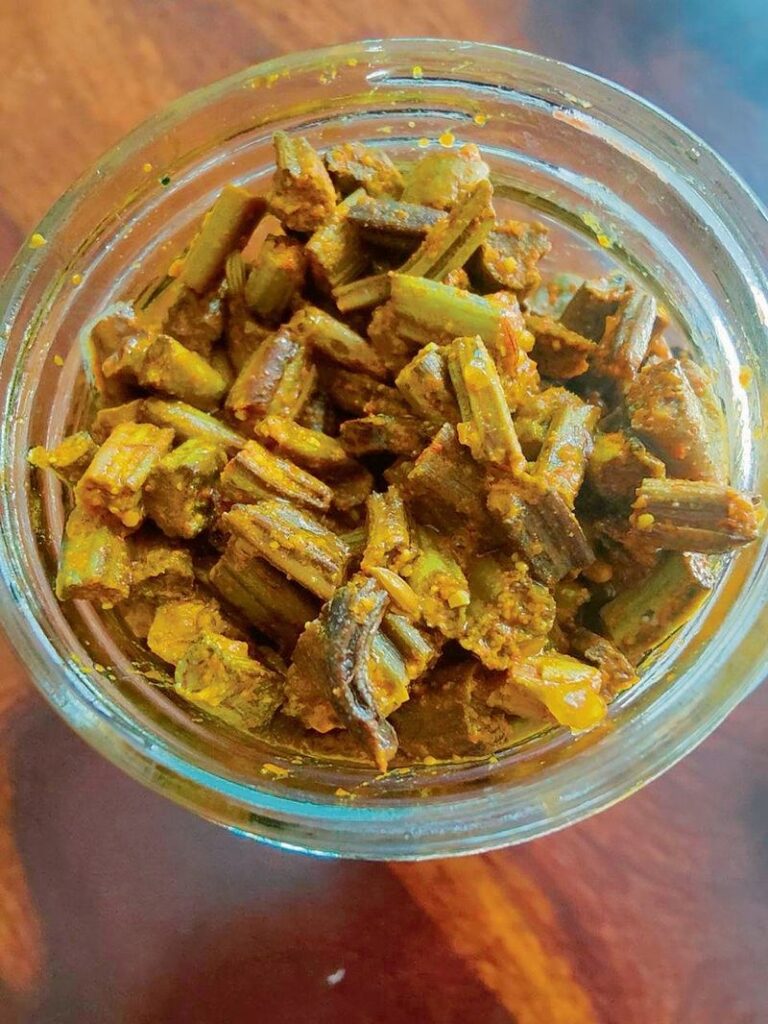
हिमाचल प्रदेश में खाने की तलाश में जाने वाले लोगों को एक दशक पहले निराशा हाथ लगती थी, क्योंकि स्थानीय व्यंजनों की जगह पंजाबी और फास्ट फूड का बोलबाला था। लेकिन समय के साथ, हिमाचली व्यंजनों ने अपनी पहचान बनानी शुरू की और अब यह स्थानीय और पर्यटकों के बीच लोकप्रिय हो गए हैं। 2010 के आसपास यह बदलाव शुरू हुआ और 2015 तक यह और तेज हो गया, जिससे हिमाचली व्यंजनों को एक नई पहचान मिली।
हिमाचली व्यंजनों की विशेषता
हिमाचली व्यंजनों में siddu और Dham जैसे प्रसिद्ध व्यंजन हैं, लेकिन हिमाचली खाना इससे कहीं अधिक है। यहाँ के व्यंजनों में Kinnaur के पाइन नट्स, walnuts, almonds, और wild berries जैसे सूखे मेवे शामिल हैं, जो यहाँ की विशेषता है। हिमाचल प्रदेश में apples, plums, apricots, cherries, और peaches जैसे फलों की पैदावार होती है, जो देश भर में प्रसिद्ध हैं। यहाँ के mangoes भी खास हैं, जिनसे aam papad और amchur बनाए जाते हैं।
हिमाचली व्यंजनों का महत्व
हिमाचली व्यंजनों का महत्व समझने के लिए, हमें यहाँ की भूमि, जलवायु, और कृषि परंपराओं को देखना होगा। यहाँ के व्यंजनों में buckwheat, maize, wheat, और rice जैसे अनाज शामिल हैं, जो स्थानीय आहार का हिस्सा हैं। यहाँ के लोग dairy उत्पादों का भी बहुत उपयोग करते हैं, जैसे कि ghee, butter, और milk, जो традиyonel व्यंजनों में महत्वपूर्ण भूमिका निभाते हैं।
हिमाचली व्यंजनों में विभिन्न प्रकार के खाना पकाने की तकनीकें शामिल हैं, जैसे कि steaming, frying, roasting, और griddle cooking। यहाँ के व्यंजनों में हर सामग्री एक कहानी बताती है, जो यहाँ की भूमि और परंपराओं के मिलन से बनती है।
आगे की योजना
हिमाचली व्यंजनों को बढ़ावा देने के लिए, सरकार और स्थानीय लोगों को मिलकर काम करना होगा। Himachal Pradesh Tourism जैसे संगठनों को हिमाचली व्यंजनों को प्रमोट करने में महत्वपूर्ण भूमिका निभानी होगी। साथ ही, स्थानीय लोगों को अपने व्यंजनों को संरक्षित करने और बढ़ावा देने में सक्रिय रूप से भाग लेना होगा।
English Summary
The Himachali table has undergone a significant transformation over the past decade, with local cuisine finally finding its voice and a wider audience. The shift began around 2010 and gained momentum by 2015, with the pandemic accelerating the process. Himachali cuisine extends far beyond iconic dishes like siddu and Dham, with the state's geography, climate, and agricultural traditions shaping everything people eat. The region produces some of India's finest fruits, dry fruits, grains, dairy, and seasonal produce, with Kinnaur being the only region in India where pine nuts grow.
The cuisine embraces a remarkable range of cooking techniques, including steaming, frying, roasting, and griddle cooking. Every ingredient tells the story of a land where geography and tradition come together to create enduring flavors. The state's bounty is cultural as well, with every dish having a story to tell.
To appreciate Himachali cuisine fully, one must look beyond the plate and into the landscape itself. The government and local people must work together to promote and preserve Himachali cuisine, with organizations like Himachal Pradesh Tourism playing a crucial role.
In conclusion, the Himachali table is a reflection of the state's rich cultural heritage and its people's connection with the land. With its unique blend of traditional and modern flavors, Himachali cuisine has the potential to become a major tourist attraction, showcasing the state's natural beauty and cultural diversity. As the world becomes increasingly interested in exploring new culinary experiences, Himachali cuisine is poised to take its rightful place on the global stage.
META: Himachali cuisine finds its voice, with local ingredients and traditional techniques shaping the state's unique culinary identity.