
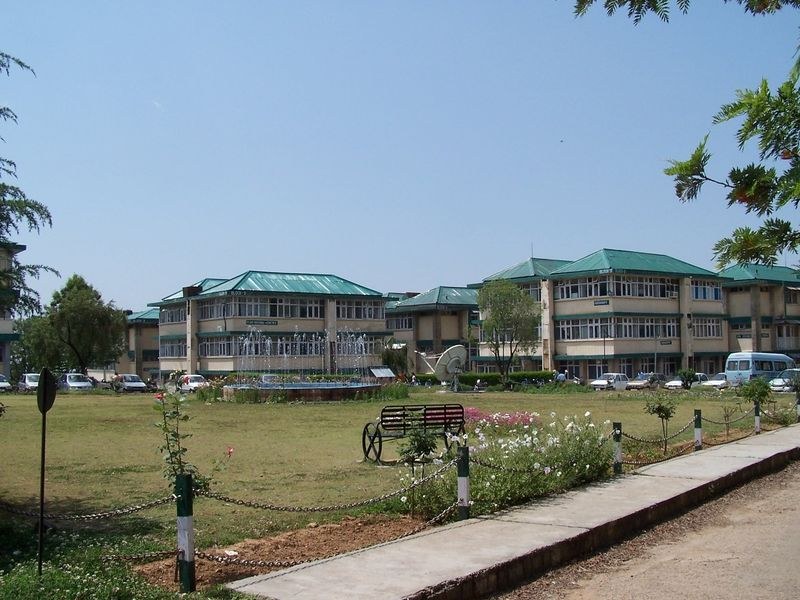
One of the key issues highlighted is the delay in the reconstitution of the university’s Board of Management, the apex decision-making body. Stakeholders contend that in the absence of a fully functional board, several important decisions relating to recruitment, academic planning, infrastructure development and policy formulation remain pending, affecting the university’s overall functioning.
Academicians have also voiced concern that prolonged ad hoc arrangements undermine established principles of merit, experience and seniority in the allocation of key academic and administrative responsibilities. According to them, uncertainty in leadership adversely impacts institutional morale, accountability and long-term strategic planning.
Questions have also been raised regarding the performance of certain technology-driven departments. Despite receiving substantial financial support from the state government and the Indian Council of Agricultural Research over the past eight years, the university has yet to develop comprehensive packages of practices for natural farming in Kharif, Rabi and vegetable crops, a key component of the state government’s vision to transition Himachal Pradesh towards natural farming. Stakeholders have called for an independent assessment of technological outputs, farmer adoption levels and the utilisation of public funds to strengthen future programmes.
The university is simultaneously facing a severe manpower crisis. Against a sanctioned faculty strength of 380, only about 189 teachers are currently in position. Similarly, the non-teaching workforce has declined to around 707 employees against a sanctioned strength of 1,424. The situation has worsened due to the absence of regular recruitment despite continuous retirements over the years.
The widening gap between sanctioned and working strength is reportedly affecting teaching, research, extension services, laboratory operations, farm management and student support systems. Existing faculty members are increasingly burdened with additional responsibilities, with many handling workloads equivalent to two positions. Assistant professors, who would ordinarily supervise around three postgraduate students, are reportedly guiding eight or more scholars, raising concerns about the quality of research supervision and academic mentoring.
Experts note that professional disciplines such as agriculture, veterinary sciences, medicine and engineering require extensive practical training, laboratory work, field exposure and close faculty-student interaction. They caution that policymakers unfamiliar with the specialised requirements of these disciplines may underestimate the long-term consequences of faculty shortages and delayed institutional decision-making.
The cumulative impact, stakeholders argue, is reflected in the university’s declining national ranking. CSK HPKV, which achieved its highest-ever national ranking of 11th during the tenure of former Vice-Chancellor Ashok Kumar Sarial, has reportedly slipped to around the 29th position in recent years. Three former VCs while talking to The Tribune urged the Chancellor and the state government to appoint a regular Vice-Chancellor, reconstitute the Board of Management and initiate recruitment of faculty and non-teaching staff on a priority basis.
The Baisakhi Sale Plan offers an excellent value of 2 years of subscription + 6 months complimentary.
If you proceed with this purchase, your current monthly subscription plan will be immediately cancelled.