
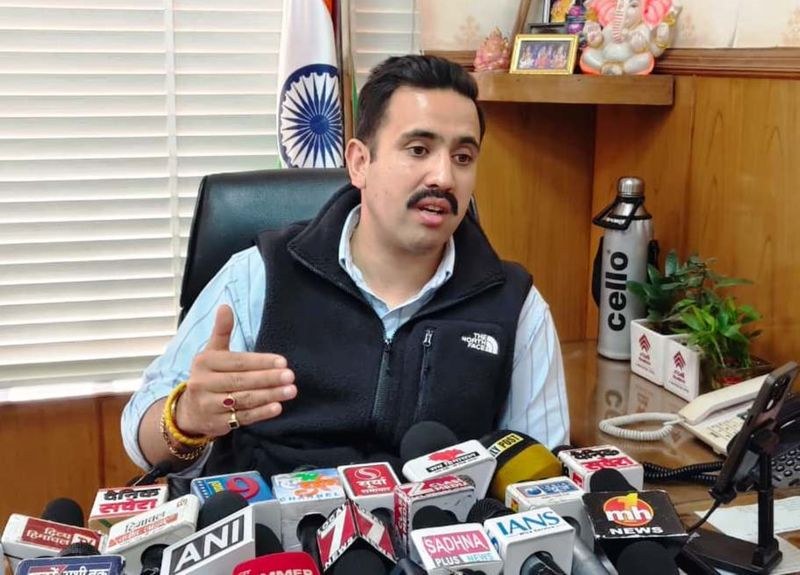
## Vikramaditya: Delimitation Bill Real BJP Agenda Behind Women Quota
The Vikramaditya government is grappling with a significant political challenge – the Delimitation Bill. The BJP, under the leadership of Modi, is strategically positioning the Women Reservation Bill as a means to bolster its parliamentary gains in northern states and diminish the influence of southern states. The Minister emphasized that the bill’s primary objective is to strategically manipulate Lok Sabha seats, effectively diminishing the number of female legislators in the existing Parliament. This reflects a calculated maneuver, intended to achieve a significant electoral advantage. The historical context of the issue is rooted in the British era, when the Karachi Resolution mandated 33 per cent reservation for women in state assemblies, a practice which the Modi government seeks to replicate. The Minister underscored the importance of the Congress’s longstanding support for women empowerment, stating that the BJP’s agenda is fundamentally incompatible with this principle. The current legislative landscape sees a stark contrast: while the NDA government has consistently advocated for women representation in both Parliament and Himachal Pradesh Assembly, the BJP’s efforts to implement its Delimitation Bill have been met with resistance. The Minister pointed to the fact that the Congress, as a champion of women’s rights, is keenly aware of the current under-representation of women in Himachal Pradesh, with only three female legislators currently in place. The Baisakhi Sale Plan offers a valuable opportunity for subscribers – a two-year subscription plus six months of complimentary access – and the offer includes a cancellation of the current monthly subscription plan if the purchase is initiated. This strategic move reflects a calculated political calculation aimed at maximizing the BJP’s influence within the state's legislative body. The Minister's statement is a clear rebuke of the Opposition's efforts to counter the BJP's agenda, asserting the government's commitment to ensuring a more equitable representation of women across all levels of governance. The focus on the Delimitation Bill highlights the BJP's broader strategic goal of consolidating its political power within the state.
English Summary
The Vikramaditya government is navigating a complex political situation concerning the Delimitation Bill. The BJP, under Modi’s leadership, is strategically positioning the Women Reservation Bill as a tool for bolstering parliamentary gains in northern states and reducing influence in southern states. The Minister emphasized the bill’s objective is to manipulate the Lok Sabha seats, diminishing the number of female legislators. The historical context traces the bill back to the Karachi Resolution, implemented during the British era, which mandated 33 per cent reservation for women in state assemblies. The Congress strongly supports women's empowerment and is willing to support the bill provided there are no hidden agendas by the BJP. The current legislative landscape demonstrates a significant difference: the government has consistently advocated for women representation in both Parliament and Himachal Pradesh Assembly, while the BJP's efforts have been resisted. The Minister highlighted the current under-representation of women in Himachal Pradesh, with only three female legislators, a point that underscores the strategic challenge the government faces. The Baisakhi Sale Plan provides a valuable opportunity for subscribers, offering a two-year subscription plus six months of complimentary access with a cancellation of the current monthly subscription if the purchase is initiated. This strategic move reflects a calculated political maneuver to maximize the BJP’s influence within the state’s legislative body. The Minister’s statement is a strong rebuke of the Opposition’s efforts to counter the BJP’s agenda, asserting the government’s commitment to ensuring a more equitable representation of women across all levels of governance.