
Himachal Pradesh Shiva Project: ADB Review – A Blossoming Hub for Agriculture
Key Details – A Two-Day Assessment of Progress and Community Engagement
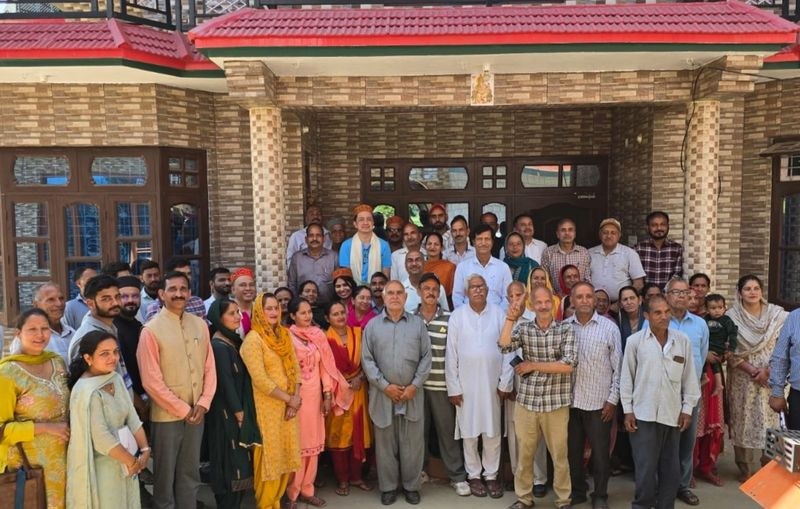
The visit by the visiting delegation, led by Dennis Lopez, Deputy Director, Horticulture, to the Himachal Pradesh Shiva project in Mandi, was a crucial two-day assessment designed to evaluate the project’s current status across various clusters – Bhambla, Khagran, Palohta-2, and Tamroh – within the Mandi district. This initiative represents a significant investment aimed at revitalizing agricultural practices and bolstering the state’s agricultural economy, with a particular focus on promoting sustainable and efficient farming techniques. The team’s mission wasn’t simply to observe; it was to actively engage with local stakeholders, understanding the practical implications of the project’s implementation and identifying potential challenges and opportunities for further development. The team's presence underscored the government’s commitment to fostering a thriving and resilient agricultural sector, particularly within the challenging mountainous terrain of Himachal Pradesh. The delegation’s meticulous examination of infrastructure, community participation, and the overall impact on farmer livelihoods was paramount.
Detailed Observations – A Tapestry of Implementation and Stakeholder Perspectives
The initial phase of the assessment focused on a deep dive into the implementation of the project’s core elements. The team began with a meticulous inspection of the Bhambla cluster, a particularly important area for fruit cultivation and a vital contributor to the district’s agricultural output. They observed firsthand the construction of new infrastructure – including improved roads, drainage systems, and storage facilities – designed to facilitate efficient transportation of produce. Specifically, the team noted the upgraded irrigation systems, which are a cornerstone of the project's water management strategy. The team also spent considerable time examining the quality of the existing road network, which is crucial for the smooth movement of agricultural materials and the accessibility of the cluster to markets.
Further along, the team visited the Khagran and Palohta-2 clusters, assessing the progress of the construction of new agricultural sheds and processing units. This included a detailed evaluation of the effectiveness of the existing support systems – particularly the CHPMAs (Cluster Horticulture Producer Management Associations) and WUAs (Water User Associations) – in coordinating agricultural activities and ensuring equitable distribution of resources. The team spent considerable time interviewing local farmers, seeking to understand how the HP SHIVA project was impacting their productivity, income levels, and overall well-being. The feedback was overwhelmingly positive, with farmers expressing appreciation for improved soil conditions due to the implementation of new farming techniques and the enhanced availability of resources. Farmers highlighted a significant increase in their yields, particularly in the short term, and expressed strong interest in exploring the potential of a monorail-based pilot project.
Impact and Context – A Paradigm Shift for Agricultural Sustainability
The ADB team’s visit, spearheaded by Dr Sanjay Gupta, Deputy Director, Horticulture, had a profound impact on the landscape of agricultural development in Mandi. The two-day intensive assessment, conducted with a dedicated focus on observing the project's progress and understanding the nuances of community involvement, served as a crucial validation of the initial investment and a strategic roadmap for future expansion. The team’s analysis revealed a clear trend of increased productivity and improved resource utilization across the various clusters, demonstrating the potential of the HP SHIVA project to catalyze a significant shift in agricultural practices.
The significance of the project extends far beyond mere agricultural output. It represents a concerted effort to promote sustainable land management, reduce environmental impact, and enhance the resilience of the agricultural sector to climate change. The introduction of improved irrigation systems, alongside a focus on soil conservation techniques, is crucial for mitigating the risks associated with the mountainous terrain. The implementation of a monorail-based pilot project, as proposed by the team, is a particularly noteworthy step – it directly addresses the logistical challenges often faced by farmers in hilly areas, streamlining transportation and reducing labor costs. This initiative aligns perfectly with the ADB’s broader mandate to foster inclusive and sustainable growth, particularly in rural areas. The visit highlighted the critical role of collaborative partnerships – the success of the project is demonstrably linked to the active participation and engagement of farmers, community leaders, and the government.
Background – A Strategic Initiative for Mountainous Agriculture
The Himachal Pradesh Shiva project, formally known as the “HP SHIVA” initiative, is a strategic undertaking designed to revitalize the agricultural sector of the state, specifically targeting the Mandi district. It’s rooted in a vision to transform Mandi into a model agricultural region – a “horticulture revolution” – by leveraging advanced technologies and promoting sustainable practices. The project’s core objectives are multifaceted, including increasing agricultural output, enhancing farmer income, and promoting environmental stewardship. The initiative is designed to address several key challenges facing the agricultural sector in the region, including limited irrigation infrastructure, soil degradation, and the lack of efficient transportation networks. The ADB's involvement signifies a vital commitment to supporting this ambitious undertaking, recognizing its potential to significantly impact the economic prosperity and social well-being of the region. The project is not merely about boosting production; it's about creating a more resilient and sustainable agricultural ecosystem, benefiting both the farmers and the state as a whole.
Future Directions – Scaling Up for Regional Impact
The ADB team’s visit concluded with a clear articulation of the project’s next phase – a strategic expansion plan that leverages the insights gained during the initial assessment. The team’s recommendations emphasize the importance of scaling up the pilot project to other clusters within the Mandi district, potentially extending its reach to other mountainous regions of Himachal Pradesh. The team’s suggestion to integrate the Palohta-2 cluster with the existing Harabag PCDO (Farmer Enterprise Innovation Centre) demonstrates a proactive approach to consolidating regional expertise and fostering a network of agricultural innovation. Moving forward, the focus will be on optimizing the project’s implementation through data-driven decision-making, enhanced stakeholder engagement, and the proactive implementation of best practices. The team intends to work closely with the government to ensure the long-term sustainability of the initiative, ensuring that its benefits are widely distributed and its lessons learned are shared across the state’s agricultural sector. The success of this project is intrinsically linked to continued support and collaboration from the government, industry, and the community.
Meta: The HP SHIVA project presents a compelling case study for sustainable agricultural development in a challenging mountainous region, offering a vital step toward economic growth and environmental protection for the state of Himachal Pradesh.
English Summary:
1. The ADB delegation visited Mandi to assess the progress of the HP SHIVA project, evaluating infrastructure, community participation, and implementation status across various clusters.
2. The team observed improvements in irrigation systems, road upgrades, and storage facilities, alongside a focus on CHPMAs and WUAs’ role in cluster development.
3. Farmers expressed positive feedback on increased productivity and improved resource availability, highlighting the project’s positive impact on livelihoods.
4. The visit underscored the importance of a monorail pilot project in Palohta-2, demonstrating a commitment to simplifying transportation logistics.
5. The team’s assessment concluded with a recommendation to scale up the project to other mountainous regions, including integrating the Harabag PCDO.