
Key Takeaways from the Panel
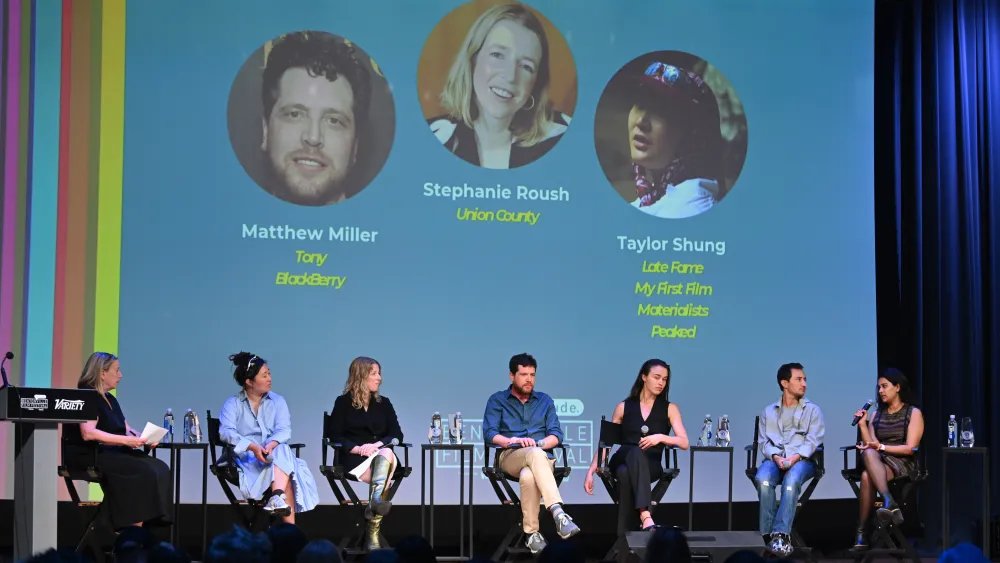
Variety’s 10 Producers to Watch list was celebrated at the Bentonville Film Festival with a panel discussion moderated by Carole Horst. The conversation delved into the evolving landscape of independent filmmaking, the multifaceted role of producers, and the growing significance of regional festivals.
The Producer’s Role: From Soup to Nuts
Apoorva Charan, producer of “Take Me Home,” outlined the broad responsibilities of a producer: reading scripts, seeking talent, raising financing, hiring crew, strategizing distribution, and supervising production and budgets. Emily Korteweg (“Splitsville,” “The Last Fix”) emphasized that producers are partners to directors, sharing the larger vision of the film.
Matthew Miller (“Tony,” “BlackBerry”) described producing as “getting a group of people together and making something out of nothing,” adding that producers are often the first to believe in a filmmaker or script. Flexibility is key, Charan noted, as they often rewrote scenes on the same day of filming for “Take Me Home.”
Overcoming Hurdles: Access and Finances
Stephanie Roush faced challenges securing a courtroom for “Union County,” while Miller navigated Anthony Bourdain’s estate for the biopic “Tony.” All panelists agreed that finances remain the biggest obstacle. Korteweg pointed out that films like “Obsession” succeed independently, yet financiers often ask, “Why can’t you do it for less and have the same result?” She stressed that this is not how production works.
Luca Intili (“Maddie’s Secret”) noted a significant gap between distribution funds and indie film budgets, leaving many films unreleased. However, new financiers are emerging for those who know where to look. Charan advised seeking champions emotionally and financially invested in a film’s themes.
The Rise of Microbudget Cinema
Intili observed a rise in microbudget cinema, saying, “It’s like we’re all learning simultaneously that we don’t need huge budgets to make something creative and interesting.” Roush cautioned against Hollywood’s habit of chasing trends, emphasizing that independent film history shows that chasing the “shiniest thing” doesn’t lead to the next hit.
Festivals as Vital Platforms
With independent projects no longer selling out festivals and smaller distributors struggling, panelists underscored the importance of festivals. Charan described them as places for filmmakers to experience audience reactions and engage in dialogue. Taylor Shung (“Late Fame,” “My First Film”) highlighted that regional festivals build community and empower local filmmakers. Roush added that festivals serve as “talent incubators,” offering early validation for young filmmakers.
Katherine LaNasa Honored with Variety Virtuoso Award
At the same festival, actress Katherine LaNasa received the Variety Virtuoso Award. With over 40 years in the industry, she reflected, “Acting has given me such a rich and beautiful life.” Discussing her role as charge nurse Dana Evans on “The Pitt,” she praised the script for allowing natural choices and emphasized humility as key to the character.
FAQ
What was the main topic of the Producers to Watch panel?
The panel focused on the rise of independent films, financial challenges producers face, and the importance of film festivals.
Who were the panelists at the Bentonville Film Festival event?
Panelists included Apoorva Charan, Emily Korteweg, Matthew Miller, Stephanie Roush, Luca Intili, and Taylor Shung, moderated by Variety's Carole Horst.
What financial challenges did producers discuss?
Producers highlighted a 'fearful marketplace' for indie films, a gap between distribution funds and production budgets, and financiers expecting lower costs without sacrificing quality.
Why are film festivals important according to the panel?
Festivals create community, allow filmmakers to gauge audience reactions, serve as talent incubators, and provide validation for emerging filmmakers.