
Key Facts
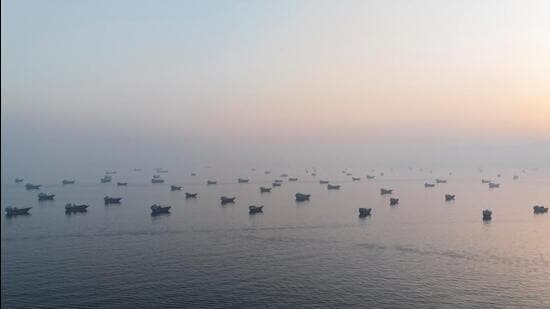
After months of hostilities that disrupted global energy supplies, Iran and the US reached a peace agreement on Sunday, June 14, 2026, brokered by Pakistan and Qatar. The memorandum of understanding (MoU) is set to be signed in Geneva on Friday. The deal ends the US blockade of Iranian ports and reopens the Strait of Hormuz, a critical waterway for oil and gas shipments.
For India, which relies heavily on West Asia for energy, the development brings immediate relief but also raises questions about long-term strategic dependence.
Immediate Impact on India
Prime Minister Narendra Modi welcomed the peace deal, emphasizing the need for stability in West Asia and unimpeded commerce. Within hours of the announcement, the LNG tanker Disha, managed by a consortium led by the Shipping Corporation of India, successfully transited the Strait of Hormuz carrying 62,370 metric tonnes of LNG from Qatar to Gujarat.
According to Ajay Srivastava, founder of the Global Trade Research Initiative (GTRI), the deal promises relief from high oil and gas prices, pressure on the rupee, and inflation risks that intensified during the conflict. India sources about 50% of its crude oil, 70% of LPG, and almost 90% of LNG imports from West Asia.
Strategic Vulnerabilities Exposed
The conflict highlighted India's over-dependence on a volatile region. During the blockade, Indian refiners were forced to seek alternative supplies from distant markets like Venezuela. ASSOCHAM President Nirmal K Minda called the arrangement a “major breakthrough,” but Commerce Secretary Rajesh Agarwal cautioned that trade challenges would “ease significantly if the peace deal holds and remains sustainable.”
Shipping firms remain cautious, and experts believe normal traffic through the Strait of Hormuz could take weeks or even months to restore fully.
India's Balancing Act
Since the conflict began on February 28, India walked a diplomatic tightrope. It maintains close ties with the US and Israel—Modi visited Israel just before hostilities—while also nurturing historic relations with Iran and Arab states. India denounced Iranian drone and missile attacks on Kuwait, Qatar, and the UAE, which host millions of Indian nationals.
To secure energy supplies, Modi visited the UAE last month. However, some energy facilities targeted by Iran may take months to come back online.
What the Deal Means for Chabahar and Future Energy Ties
A long-term US-Iran deal, including the lifting of sanctions on Iranian oil, could enable India to resume crude purchases from Tehran and continue developing Iran’s Chabahar port. Chabahar is central to India’s International North-South Transport Corridor plans. A US sanctions waiver for Indian operations at Chabahar expired in April, casting uncertainty over the project.
Strategic Lessons for India
Ajay Srivastava argued that the US negotiated not out of goodwill but because the costs of war became too high. “Tehran’s ability to disrupt energy supplies, raise global oil prices and impose economic and military costs forced Washington to negotiate,” he said. He urged India to “engage the US as an equal partner, not a subordinate one. Whether in trade, technology, energy or foreign policy, India must reject arrangements that undermine its interests.”
FAQ
How does the US-Iran peace deal benefit India?
The deal ends the blockade of Iranian ports and reopens the Strait of Hormuz, ensuring smoother energy imports. India sources about 50% of its crude oil, 70% of LPG, and 90% of LNG from West Asia, so this reduces oil prices, eases pressure on the rupee, and lowers inflation risks.
What are the lingering concerns for India?
Experts worry about the deal's long-term sustainability due to deep US-Iran differences. Restoration of normal traffic may take weeks or months. India's over-dependence on West Asia remains a strategic vulnerability.
What lesson should India learn from this conflict?
According to GTRI founder Ajay Srivastava, India should engage the US as an equal partner, not a subordinate. It must reject arrangements that undermine its interests in trade, technology, energy, or foreign policy.
How does the deal affect India's Chabahar port project?
A long-term US-Iran deal could allow India to resume Iranian oil purchases and continue developing Chabahar port, which is key to the International North-South Transport Corridor. A US sanctions waiver for Chabahar ended in April, creating uncertainty.