
Key Facts
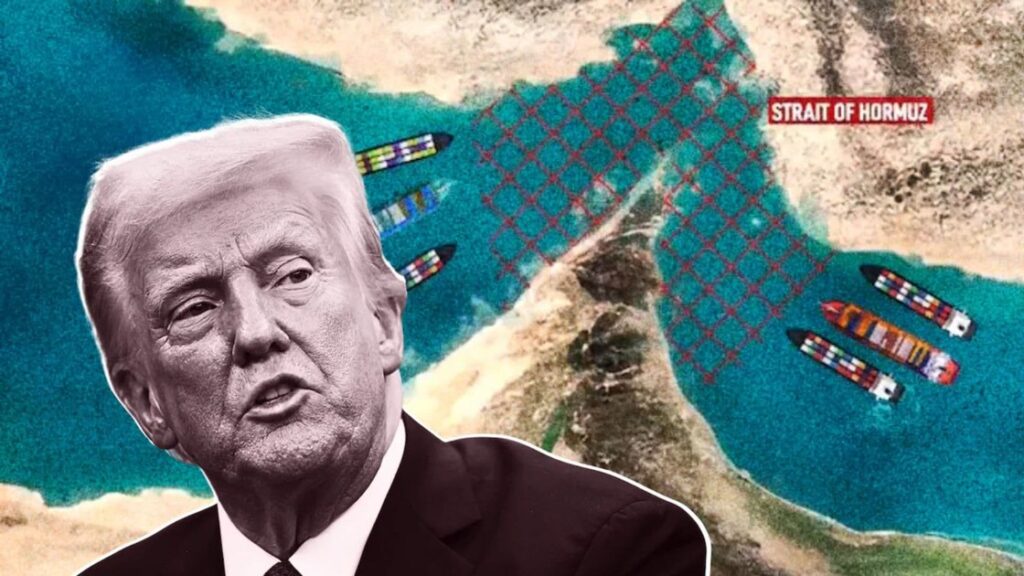
US President Donald Trump announced on Saturday that a long-awaited peace deal with Iran will be signed on Sunday, June 14, 2026. In a post on his social media platform Truth Social, Trump stated that the Strait of Hormuz would reopen to all maritime traffic immediately after the signing. The announcement comes amid ongoing tensions in the Middle East and follows months of negotiations.
Details of the Announcement
Trump wrote, 'The Deal is scheduled to get signed tomorrow, and immediately after it is signed, the Hormuz Strait is open to all.' He contrasted his agreement with the 2015 Joint Comprehensive Plan of Action (JCPOA) negotiated by former President Barack Obama, calling his own deal the 'exact opposite.' Trump claimed that Obama's deal would have allowed Iran to obtain a nuclear weapon within six years, whereas his agreement 'is a wall to no nuclear weapons.'
Trump further asserted that Iran no longer seeks nuclear weapons and will not acquire them through purchase, development, or procurement. He also indicated that the United States would take possession of and destroy Iran's enriched uranium stockpile, describing it as 'Nuclear Dust' buried deep under mountains. 'At the appropriate time, when all is calm, we will go in and get the Nuclear Dust... and downblend and destroy it, whether in Iran, or the United States,' Trump wrote.
Impact and Reactions
The reopening of the Strait of Hormuz, a critical chokepoint for global oil shipments, would have significant economic implications. Approximately 20% of the world's petroleum passes through the strait, and its closure in recent months has contributed to rising energy prices. Trump's announcement suggests a de-escalation of tensions that could stabilize oil markets.
However, Iran's Foreign Ministry spokesperson Esmaeil Baghaei contradicted Trump's timeline, stating that the signing of the Islamabad memorandum with the United States will not occur on Sunday. Baghaei noted that the possibility of signing in the coming days remains but urged caution due to hesitation from the other side. This discrepancy raises questions about the deal's immediate prospects.
What Readers Should Know
- Deal Status: While Trump claims a Sunday signing, Iran denies this, indicating ongoing negotiations.
- Nuclear Disarmament: Trump's plan involves US retrieval and destruction of Iran's enriched uranium, a complex and sensitive operation.
- Regional Stability: The deal could reduce tensions in the Middle East, but Iran's skepticism suggests hurdles remain.
- Global Impact: Reopening the Strait of Hormuz would lower oil prices and ease supply chain disruptions.
FAQ
When will the US-Iran peace deal be signed according to Trump?
Trump said the deal is scheduled to be signed on Sunday, June 14, 2026.
What did Trump say about the Strait of Hormuz?
Trump claimed the Strait of Hormuz will open to all immediately after the deal is signed.
How does Trump's deal differ from Obama's JCPOA?
Trump called his deal the 'exact opposite' of Obama's JCPOA, saying it creates a wall to nuclear weapons rather than a smooth road to them.
What is Iran's response to Trump's announcement?
Iran's Foreign Ministry spokesperson Esmaeil Baghaei said the deal will not be signed on Sunday, citing hesitation from the other side.