
Key Facts
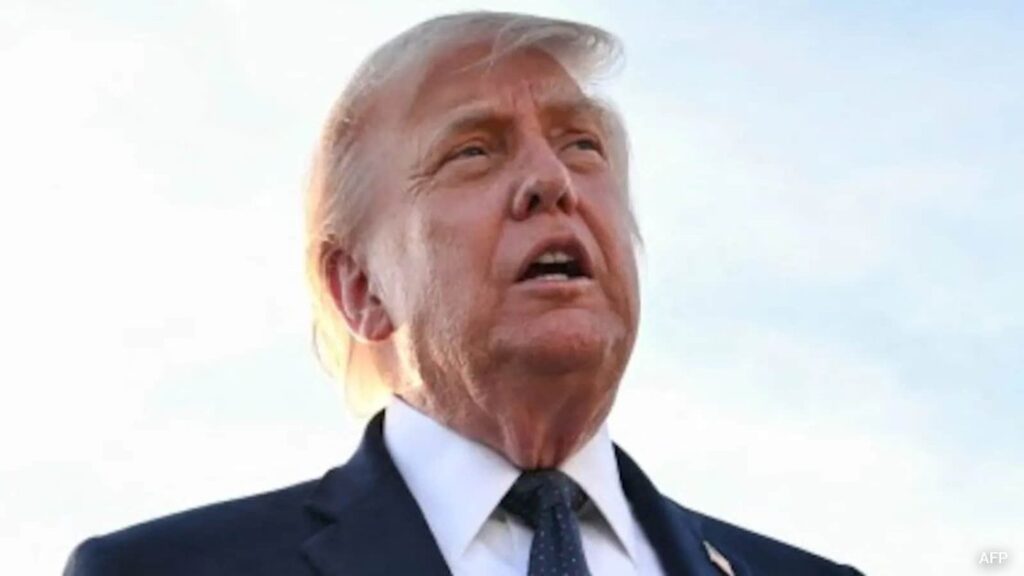
US President Donald Trump has defended the decision to return frozen Iranian assets, stating that keeping the money would harm the credibility of the US dollar and the global financial system. Speaking on the sidelines of the G7 Summit in France, Trump emphasized that the funds belong to Iran, not the United States.
Details of Trump's Statement
Trump told reporters, 'The unfreezing... we have taken a lot of their money. And we have their money. We have taken their money, it's not our money, it's their money. And we froze it. At a certain point in time, I guess we're going to have to give it back. You know, if we didn't give it back, nobody would ever invest in the dollar again.'
He acknowledged the temptation to keep the funds but warned of long-term consequences: 'I thought about it. I'm not the most perfect person. I said, "What if we keep their money? What the hell are we giving it back to them?" But people from lots of nations, some nations we don't agree with, they have their money, the dollar's become very strong under me, and they don't want to have a little conflict with somebody and end up having the United States just take their money.'
'So if you do that, you really don't have a system,' he added.
US-Iran Memorandum of Understanding
Meanwhile, Trump and Iranian President Masoud Pezeshkian virtually signed a 14-point memorandum of understanding (MoU) aimed at ending hostilities between the two countries. The agreement includes reopening the Strait of Hormuz and launching a 60-day process to negotiate a final deal on sanctions and Iran's nuclear program.
According to CNN, the US will make fully available for use the frozen or restricted funds and assets of the Islamic Republic upon implementation of the MoU. Both nations will mutually agree on procedures related to the release of these funds during negotiations.
Impact and What Readers Should Know
This development marks a significant shift in US-Iran relations, potentially easing tensions in the Middle East. The release of frozen assets could provide economic relief to Iran, while the reopening of the Strait of Hormuz may stabilize global oil markets. However, the 60-day negotiation window will be critical in determining the long-term framework for sanctions and nuclear oversight.
FAQ
- Why did Trump defend the release of Iran's frozen assets? Trump argued that permanently withholding Iran's money could undermine global confidence in the US dollar and the international financial system, as other nations might fear their assets being seized.
- What did the US and Iran agree upon at the G7 Summit? They virtually signed a 14-point memorandum of understanding to end hostilities, reopen the Strait of Hormuz, and start a 60-day negotiation process on sanctions and Iran's nuclear program.
- How much Iranian assets are frozen, and when will they be released? The exact amount was not specified, but the US will make the frozen funds fully available upon implementation of the MoU, with procedures to be mutually agreed during negotiations.