
Key Facts
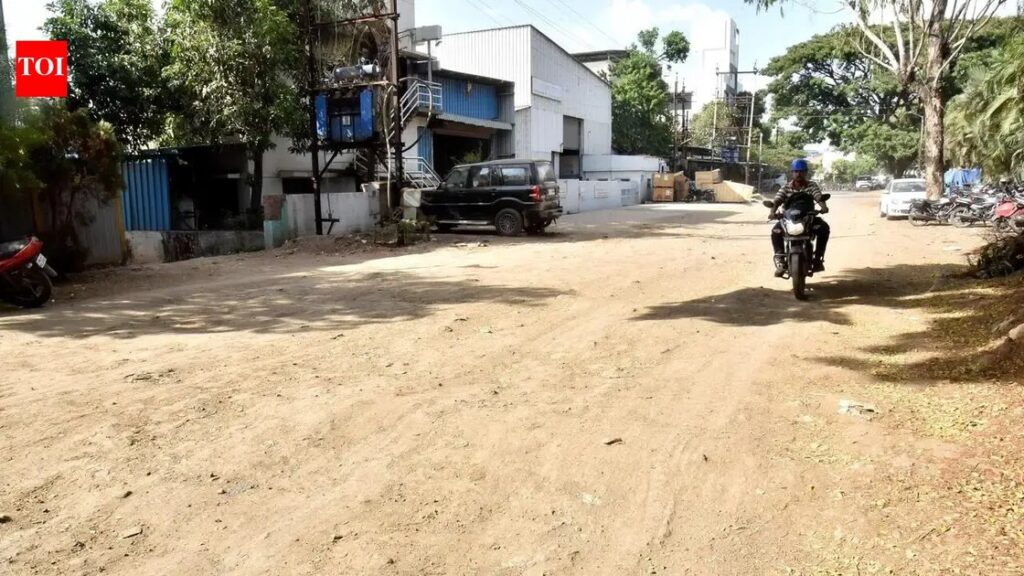
The Nagpur Municipal Corporation (NMC) has announced plans to adopt white-topping technology for roads in the Maharashtra Industrial Development Corporation (MIDC) area starting from the financial year 2027-28. This decision aims to enhance road durability and reduce long-term maintenance costs.
Details of the Initiative
White-topping involves placing a layer of cement concrete over an existing asphalt pavement, creating a composite structure that is stronger and more resilient. According to NMC officials, the new roads will have a lifespan up to 50% longer than conventional bituminous roads. The initiative is part of NMC's broader infrastructure upgrade plan for industrial zones.
Impact on Infrastructure
The adoption of white-topping is expected to significantly reduce the frequency of repairs and disruptions in the MIDC area, which hosts numerous factories and logistics hubs. Better road conditions will improve transportation efficiency and reduce vehicle wear and tear. The technology also offers better skid resistance and visibility during rains, enhancing safety.
What Readers Should Know
- Timeline: Work will commence in FY 2027-28, with phased implementation across MIDC roads.
- Cost: While initial construction costs are higher, lifecycle costs are lower due to reduced maintenance.
- Environmental Benefits: Concrete roads reflect more light, reducing street lighting needs, and have a longer service life, lowering material consumption over time.
FAQ
What is white-topping technology?
White-topping is a road construction method where a layer of cement concrete is laid over an existing asphalt surface, providing greater strength and durability.
When will NMC start white-topping work?
The Nagpur Municipal Corporation plans to begin white-topping of MIDC roads from the financial year 2027-28.
What are the benefits of white-topping?
White-topping roads last up to 50% longer than traditional asphalt roads, require less frequent maintenance, and offer better resistance to heavy traffic and weather conditions.