
Key Facts
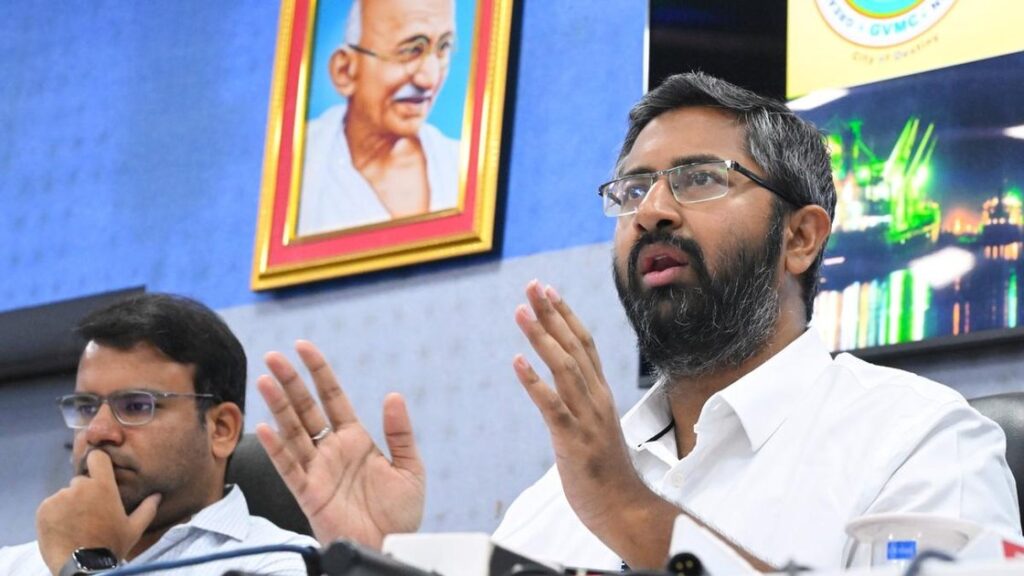
Visakhapatnam MP M. Sribharat on Tuesday (June 16, 2026) assured that the proposed Google data centre will not lead to a water crisis or power shortage in the city. He stated that the Andhra Pradesh government is strengthening infrastructure to meet future needs sustainably.
Water Supply Details
The city requires about 480 million litres per day (MLD) for domestic, industrial and other uses, while current supply is around 410 MLD. With existing canals and reservoirs, the Greater Visakhapatnam Municipal Corporation (GVMC) can supply up to 1,243 MLD. Once the Polavaram project is integrated, capacity could rise to 2,110 MLD. Even by 2040, total demand is unlikely to exceed 1,500 MLD, leaving a buffer of over 300-400 MLD even after allocating 100-200 MLD for the data centre.
Power and Environment
The data centre may require nearly 1 GW of electricity, but the state targets 50 GW of renewable energy by 2029-30. Environmental clearances have been obtained for Mudasarlova (June 10) and Tarluvada (April 18). Temperature rise will be limited to 100-200 metres radius, and acoustic management systems will control noise.
Impact and Assurance
GVMC Commissioner Ketan Garg said separate pipelines will supply water to the data centre, ruling out shortages in Arilova and Madhurawada. The MP criticized unverified concerns from environmental groups, emphasizing the state's balanced approach to development.
FAQ
Will the Google data centre cause water shortage in Visakhapatnam?
No, MP Sribharat said the city has adequate water supply capacity and the data centre's requirement is minimal compared to future capacity.
How much water does Visakhapatnam currently supply?
The city currently supplies about 410 MLD against a demand of 480 MLD, but potential capacity is 1,243 MLD.
What about power for the data centre?
The data centre may need up to 1 GW, but Andhra Pradesh aims to generate 50 GW renewable energy by 2029-30, ensuring green power.
Have environmental clearances been obtained?
Yes, all necessary clearances were granted on June 10 and April 18 for the relevant areas.