
Key Facts
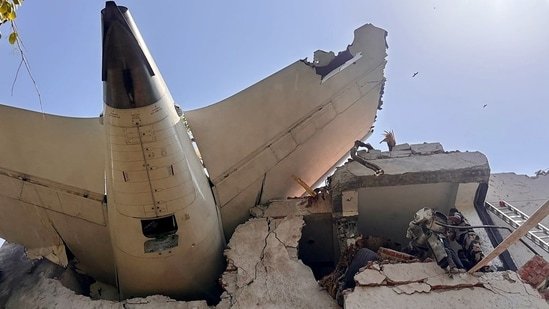
One year after the tragic crash of Air India flight 171, questions remain about why the aircraft's fuel switches moved to the cutoff position. The Aircraft Accident Investigation Bureau (AAIB) preliminary report, released a month after the disaster, confirmed that both engine fuel switches transitioned from RUN to CUTOFF within one second of each other, roughly three seconds after takeoff from Ahmedabad airport on June 12, 2025. The crash killed all 260 people on board.
What the AAIB Report Revealed
Fuel Cutoff Sequence
The report states that both fuel switches moved to cutoff almost simultaneously, immediately starving both engines of fuel. This caused a loss of power and lift, leading to the crash. However, the report does not determine whether the movement was due to human action, mechanical failure, or electronic malfunction.
Ruled-Out Causes
Investigators eliminated several potential factors:
- Weather: Conditions were good with light winds and clear skies.
- Bird strike: No evidence found in CCTV or physical examination.
- Aircraft configuration: Flaps were correctly set, landing gear retracting normally.
- Weight and balance: Within normal limits.
- Fuel quality: Airport samples tested satisfactory.
- Engine problems: Both engines operated normally until fuel cutoff.
Cockpit Voice Recorder Clues
The cockpit voice recording captures one pilot asking the other, “Why did you cutoff?” The other pilot responded, “I did not do so.” This exchange suggests the fuel cutoff may have been unintentional, but does not rule out human error.
Impact and Implications
Recovery Attempt
Within 10-14 seconds of fuel cutoff, the pilots moved both switches back to RUN. Engine 1 showed signs of recovery, and engine 2 attempted relight. However, at only 625 feet altitude and with 29 seconds before impact, recovery was impossible. Jet engines typically require several minutes and higher altitudes for successful restart.
Aircraft History and FAA Advisory
The aircraft, VT-ANB, had a clean maintenance record with no fuel control switch defects since 2023. However, a 2018 US Federal Aviation Administration bulletin (SAIB No. NM-18-33) addressed potential fuel control switch locking mechanism problems on Boeing aircraft, including the 787. The bulletin noted that locking features could be disengaged, allowing switches to move more easily due to vibration or contact. The FAA recommended inspections but did not mandate fixes.
What Readers Should Know
The AAIB preliminary report is not final. A final report determining probable cause and safety recommendations is pending, with the AAIB waiting on engine analysis. An interim statement is expected on the anniversary of the crash. The mystery of why the fuel switches moved remains unsolved, leaving families and the aviation community seeking answers.
Frequently Asked Questions
What caused the AI 171 crash?
Both engine fuel switches moved to cutoff three seconds after takeoff, cutting fuel supply. The exact cause—human error, mechanical failure, or electronic malfunction—remains undetermined.
Could the pilots have saved the plane?
Pilots moved switches back to RUN within 10-14 seconds and engines attempted restart, but at only 625 feet altitude and 29 seconds before impact, recovery was impossible.
Was there any prior issue with the aircraft?
The aircraft had a clean maintenance record. However, a 2018 FAA bulletin warned about potential fuel control switch locking mechanism problems on Boeing aircraft.