
Key Facts
The Agriculture Department, in collaboration with the State Biological Control Laboratory Palampur, has intensified monitoring and awareness campaigns against fall armyworm in Kangra district. A joint team inspected several villages in Development Block Fatehpur, including Dhameta, Hadwal, Chhabar, and Sthana, to assess pest status and guide farmers on scientific management.
Inspection Details
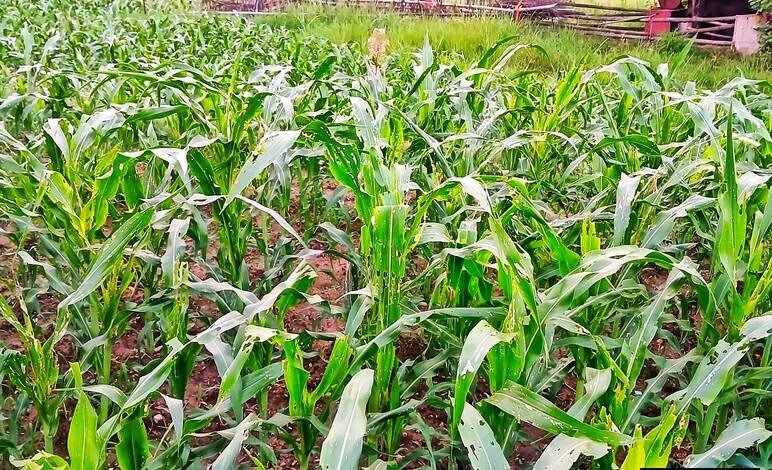
The inspection team comprised entomologist Dr. Anjana Thakur, Agriculture Development Officer Dr. Reeta Thakur from the State Biological Control Laboratory Palampur, Agriculture Extension Officer Dr. Indu Rana, and Agriculture Development Officer Dr. Praveen from Development Block Fatehpur. Dr. Anjana Thakur explained that early infestation symptoms include tiny needle-like holes on leaves, which later develop into large irregular perforations.
Recommended Control Measures
Farmers are advised to adopt the following measures based on infestation severity:
- Less than 10% infestation: Spray neem-based pesticide at 5 ml per liter of water.
- More than 10% infestation: Use Emamectin Benzoate 5 SG (0.4 gram per liter) or Chlorantraniliprole 18.5 SC (Coragen) at 0.4 ml per liter of water.
- During spraying, direct the nozzle towards the leaf whorl and remove and destroy infested plants from the field.
- Avoid chemical pesticides from flowering stage to harvest.
Dr. Praveen stated that the department is providing effective pesticides like Coragen at approved rates. He urged farmers to use certified products, conduct regular crop monitoring, practice crop rotation, deep plowing, and destroy crop residues.
Impact on Farmers
Timely intervention is crucial to prevent significant yield losses. The awareness campaign aims to equip farmers with knowledge to identify and manage fall armyworm effectively, ensuring food security and economic stability in the region.
FAQ
What is fall armyworm?
Fall armyworm is a destructive pest that attacks maize crops, causing significant yield loss if not managed timely.
How can farmers identify fall armyworm infestation?
Early signs include small pin-sized holes on leaves, which later enlarge into irregular patches.
What control measures are recommended for fall armyworm?
For less than 10% infestation, use neem-based pesticide (5 ml per liter). For higher infestation, use Emamectin Benzoate 5 SG (0.4 g per liter) or Chlorantraniliprole 18.5 SC (0.4 ml per liter).