
Key Facts
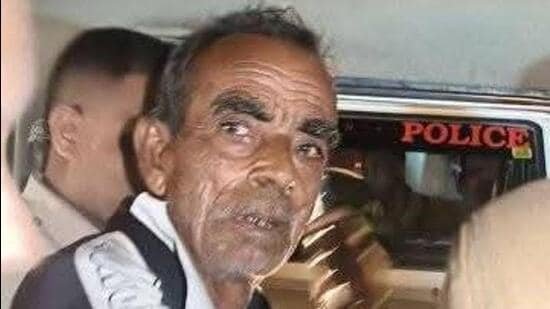
In a swift diplomatic and security response, Bangladeshi authorities handed over a 65-year-old farmer from Assam's Cachar district to Indian officials late Tuesday, just hours after he was allegedly abducted from the zero line — the area where Indian and Bangladeshi territories meet. The farmer, identified as Ranjit Das, was returned safely and in good health, according to a Border Security Force (BSF) officer.
Details of the Incident
The abduction occurred near Kinnarkhal village, where Das and other farmers had been working in fields beyond the border fencing but within Indian territory, near the Surma River. The BSF routinely opens a gate to allow farmers access to this agricultural land. After finishing work, Das realized he had left his machete behind and returned to retrieve it. At that moment, a group of six to seven men crossed from the Bangladesh side, assaulted him, and dragged him across the border.
Das's brother, Kalimohan Das, who witnessed the incident, said he tried to intervene but was pushed back. "Before we could understand what was happening, they caught him and started dragging him away. They threatened him and took him to Bangladesh. We were helpless," he recounted.
Family's Account and Retaliation Claim
According to Das's family, they received a call from a person in Bangladesh who claimed the abduction was in retaliation for the killing of a Bangladeshi near the border. "We do not know how true that is, but after talks between the two countries, he was finally returned," a family member said.
Official Response and Handover
Local MP Parimal Suklabaidya, who represents Silchar in Parliament, visited the border village and confirmed that Bangladesh agreed to return Das after high-level discussions and a medical examination. The BSF contacted the Border Guard Bangladesh (BGB) and sought a flag meeting, which facilitated the handover.
Assam assembly member Kamalakhya Dey Purkayastha said he immediately informed Chief Minister Himanta Biswa Sarma, the chief secretary, and top BSF officials, seeking urgent intervention.
Impact and Security Concerns
The abduction triggered panic and outrage in Kinnarkhal and nearby villages, with hundreds of residents gathering near the border fencing demanding Das's return. Suklabaidya highlighted the broader safety issue: "We have fencing on our side, but many stretches on the Bangladesh side remain unfenced. Many Indians cultivate land in the Indian portion of the zero line. After this incident, we will have to be more concerned about their safety." He said he would request the government to strengthen security arrangements.
What Readers Should Know
- Ranjit Das, 65, was abducted from the zero line in Cachar, Assam, on Tuesday.
- He was returned within hours after diplomatic and security coordination between India and Bangladesh.
- The abduction allegedly was in retaliation for a Bangladeshi's killing, though this is unconfirmed.
- The incident underscores the vulnerability of Indian farmers cultivating land near the unfenced border.
Frequently Asked Questions
Who was the abducted farmer and how old is he?
The abducted farmer is Ranjit Das, a 65-year-old resident of Kinnarkhal village in Assam's Cachar district.
Why was Ranjit Das abducted?
According to his family, the abductors claimed it was in retaliation for the killing of a Bangladeshi near the border. However, the exact motive is not confirmed.
How was Ranjit Das returned?
After high-level discussions between Indian and Bangladeshi authorities, including a flag meeting between BSF and BGB, Das was handed over safely to the BSF late Tuesday.
What safety concerns have been raised after this incident?
Local MP Parimal Suklabaidya expressed concern for Indian farmers cultivating land near the zero line, noting that while India has fencing, many stretches on the Bangladesh side remain unfenced.