Category: Travel & Tourism
Kalpa and Chitkul, in Himachal Pradesh’s Kinnaur district, are two of the most beautiful places in the state — and November is the last comfortable window to visit them before winter closes the higher roads. The skies are clear, the crowds are gone, and the snow line sits on the high ridges. Here is a complete guide for a November 2026 trip.
Where they are
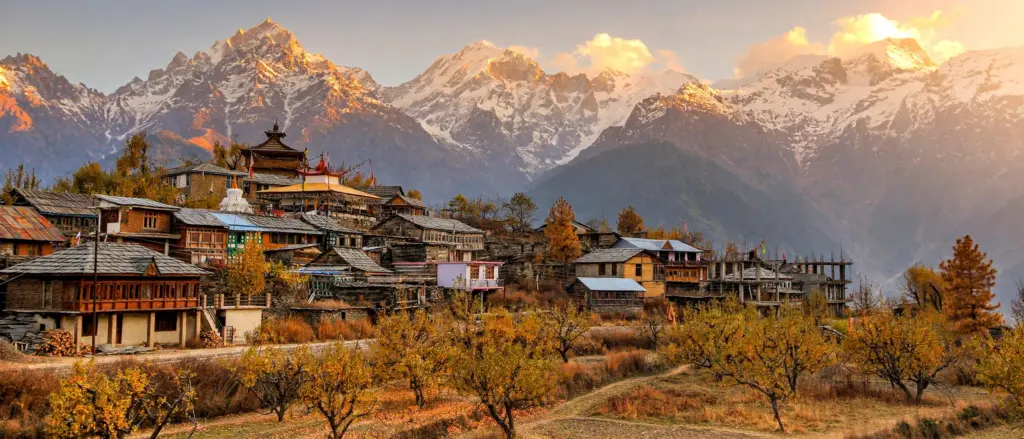
Kalpa is a quiet village above Reckong Peo, the headquarters of Kinnaur district, at about 2,960 metres. It faces the Kinner Kailash range, and on a clear morning the peaks look close enough to touch. Chitkul, at 3,450 metres, is India’s last inhabited village before the Indo-Tibet border, in the Baspa (Sangla) valley.
November weather
November in Kalpa is cold and dry. The India Meteorological Department’s long-term averages for November (1971–2000) are a minimum of 1.5°C and a maximum of 13.8°C, with only 13.8 mm of rain over about one and a half rainy days. Days are usually bright and sunny; nights fall close to freezing. Chitkul, being higher, is colder still.
Snow in November is possible on the higher reaches — the season’s first snowfall dusted the high areas on 26 September 2026 — but snow in the villages themselves is not guaranteed. Do not plan a trip expecting snow in Kalpa or Chitkul in November; come for the clear views instead.
Roads: check before you travel
The road from Shimla runs via Narkanda, Rampur, Wangtu and Karcham to Sangla, and takes seven to eight hours. National Highway 5 usually stays open to Reckong Peo and Kalpa through November, but the Kinnaur road is prone to sudden blocks. On 27 September 2026, NH-05 was blocked at Maling Nala near Tapri by shooting stones and a mudflow. Check the road status on the morning of travel, and keep a day spare in the plan.
The Sangla–Chitkul road closes from mid-December to March or early April, so November is the last window for Chitkul. Confirm the road is open on the same morning before driving up from Sangla.
Permits
An Inner Line Permit is needed for the Hangrang Valley (Nako, Chango, Leo, Pooh and beyond) and for the Baspa Valley beyond Sangla, including Chitkul. Permits are issued from the Deputy Commissioner’s office at Reckong Peo, from Monday to Saturday, 10 AM to 5 PM. Carry a photo identity card. Indian citizens need the permit for these areas; foreign nationals need it too, with additional conditions — check at the DC office.
Fuel and supplies
Fill fuel at Rampur, Tapri or Reckong Peo. There is no fuel station in Sangla or Chitkul. Carry cash, because ATMs and card machines are unreliable in the higher villages, and mobile network coverage is patchy beyond Sangla.
What to see
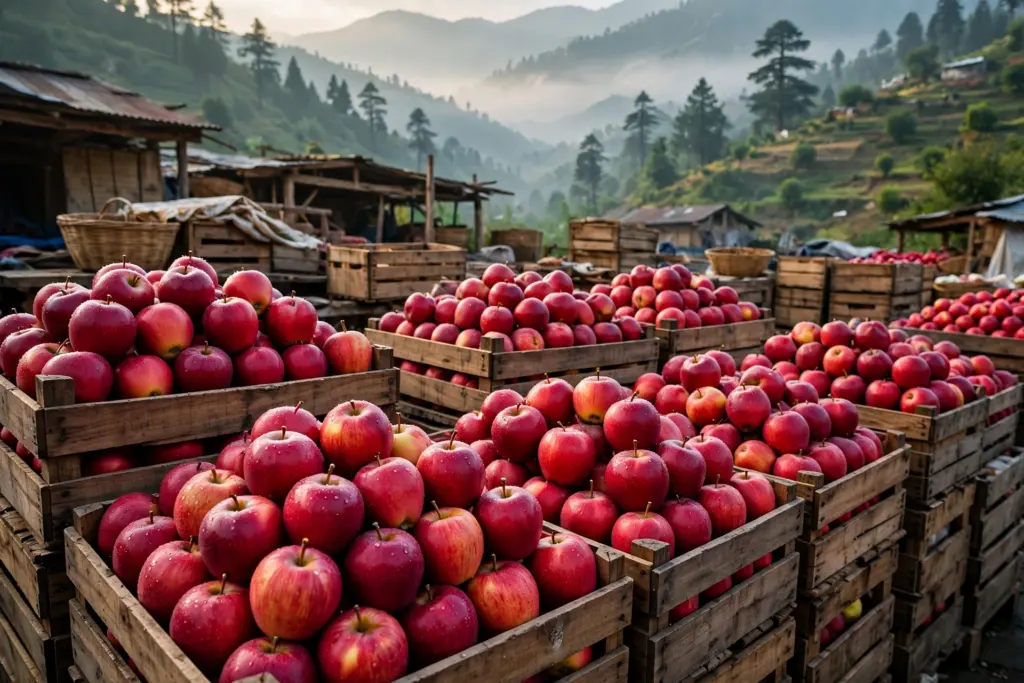
- Kalpa: the Kinner Kailash view at sunrise, the Narayan-Nagani temple complex, and the apple orchards around the village.
- Roghi village: a short walk from Kalpa, with old wooden houses and a cliffside view.
- Sangla: the Baspa river, the Kamru Fort and the Bering Nag temple.
- Chitkul: the last village, the Mathi temple, the Baspa river, and the road that ends at the Indo-Tibet border check post.
Practical tips
- Pack heavy woollens, a windproof jacket, gloves and a cap. Nights are near freezing.
- Start early from Shimla — the drive is long and mountain roads are slow.
- Stay a night in Kalpa and a night in Sangla or Chitkul, rather than rushing both in a day.
- Book stays in advance. November has fewer tourists, but the number of open homestays and hotels also shrinks as winter approaches.
Sources: travelcoffee.in; discoverwithdheeraj.com; kinnaur.co.in (October 2026); India Meteorological Department normals 1971–2000.
Related articles on HimachalGovt
- Spiti Valley Winter 2026–27: Shimla–Kinnaur Road to Kaza Guide — https://himachalgovt.com/stories/spiti-valley-winter-2026-27-shimla-kinnaur-road-kaza-guide
- Himachal Weather: Rain and Snow on 10–11 November, Dry Till 9 November — https://himachalgovt.com/stories/himachal-weather-rain-snow-10-11-november-dry-till-9-november
- Kasauli in November 2026: Travel Guide — Places, Weather and How to Reach — https://himachalgovt.com/stories/kasauli-november-2026-travel-guide-places-weather-how-to-reach